












.png)
Danish Porcelain Gifts With Copenhagen Character
Danish porcelain has a distinctive place in Scandinavian design. It can be delicate and decorative, practical and understated, or richly connected to the landscapes, stories, and traditions of Denmark. A thoughtfully chosen cup, plate, vase, or figurine can therefore feel far more personal than an ordinary household object.
For a gift buyer, the appeal lies in the balance between beauty and use. Fine porcelain can mark a birthday, wedding, new home, graduation, or milestone while still becoming part of everyday life. Some pieces are made to be displayed, while others are happiest at the breakfast table or beside an afternoon coffee.
The best choice depends on the recipient’s taste, your budget, and the story you want the gift to tell. A hand-painted Royal Copenhagen piece carries a different feeling from a sculptural Lyngby vase or a playful Kähler object, yet each reflects a recognisably Danish approach to form, craft, and living well.
Why Danish Porcelain Makes A Meaningful Gift
Danish tableware is often designed around everyday rituals. Coffee breaks, birthday cakes, Christmas lunches, and relaxed dinners all have a role in the country’s design culture. This makes porcelain especially suitable for gifting: the object can be beautiful when wrapped, then useful long after the occasion has passed.
There is also a strong sense of continuity in Danish porcelain. Many patterns have histories stretching back decades, and several manufacturers still produce classic designs alongside newer collections. A recipient may already know a pattern from a parent’s home or recognise a motif from visits to Denmark, giving the gift an emotional connection as well as a decorative one.
Porcelain is also easy to personalise without adding names or initials. A blue-and-white piece may suit someone drawn to traditional interiors, while a simple white vase can complement a minimalist home. For a friend who loves hosting, a serving dish or set of cups may be more valuable than an ornamental object. The key is to match the piece to a habit, not just an aesthetic.
Royal Copenhagen And Its Enduring Motifs
Royal Copenhagen is perhaps the most internationally recognised Danish porcelain house. Founded in 1775, the brand is associated with hand-painted decoration, cobalt blue details, and the famous Blue Fluted pattern. Its pieces range from elegant dinnerware to annual collectibles, ornaments, figures, and small objects that work well as carefully considered gifts.
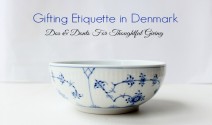
Blue Fluted Plain is a particularly versatile choice because its restrained botanical pattern suits both traditional and contemporary homes. Blue Flower offers a more expressive floral character, while the newer collections can introduce colour, texture, and a cleaner modern profile. A single mug or small dish can be an accessible present; a serving piece or pair of cups creates a more substantial gesture.
Royal Copenhagen also works well when the gift needs a Danish cultural reference. A decorated plate can commemorate a visit, a wedding year, or a significant birthday, while a Christmas ornament can become part of a recipient’s annual tradition. Before buying, check whether the person already collects a particular series, since matching an existing pattern often makes the gift feel especially thoughtful.
Classic Names And Contemporary Alternatives
Royal Copenhagen is only part of the story. Bing & Grøndahl, founded in 1853, is known for its blue-and-white porcelain and collectible Christmas plates. Although the company became part of Royal Copenhagen, Bing & Grøndahl designs remain familiar to collectors and are widely available through specialist dealers and vintage shops. A pre-owned plate can be a charming gift for someone who values history and finds meaning in older objects.
Lyngby Porcelæn offers a different expression. The Lyngby vase, recognised by its vertical fluting, has become a Danish design classic. It is usually associated with clean lines and quiet elegance rather than painted ornament. Available in multiple sizes and colours, it can suit a first home, a design-conscious friend, or someone who enjoys arranging flowers and branches.
Kähler is another important name in Danish ceramics, though much of its work is stoneware rather than fine porcelain. Its striped Omaggio vases, sculptural figures, and handmade-looking finishes bring a more relaxed, contemporary feel. For a recipient who likes colour, texture, and artistic silhouettes, Kähler may be a better fit than a traditional porcelain service.
| Brand or Design House | Recognisable Style | Gift Ideas | Best Suited To |
|---|---|---|---|
| Royal Copenhagen | Hand-painted blue-and-white patterns and collectible designs | Mug, dish, ornament, serving plate | Traditionalists, collectors, Denmark lovers |
| Bing & Grøndahl | Historic blue-and-white porcelain and seasonal plates | Vintage plate, Christmas plate, commemorative piece | Antique fans and nostalgic recipients |
| Lyngby Porcelæn | Vertical fluting and refined silhouettes | Vase, candleholder, small tableware | Minimalist interiors and new homes |
| Kähler | Colourful ceramics, stripes, and sculptural forms | Vase, figure, decorative bowl | Contemporary design enthusiasts |
| Knabstrup Keramik | Heritage-inspired ceramics and tactile forms | Vase, planter, serving bowl | Eclectic homes and craft-minded friends |
How To Match A Piece To The Recipient
Start with the recipient’s home and routines. Someone who hosts frequently may appreciate a cake stand, serving bowl, gravy boat, or set of coffee cups. A person who enjoys flowers might prefer a vase, while a collector may be more interested in a limited-edition plate or a piece from a discontinued pattern.
Scale matters more than gift guides sometimes suggest. A large decorative object requires shelf or table space, and an elaborate dinnerware piece may be less useful to someone living in a small flat. A compact trinket dish, espresso cup, or ornament can carry the same design value without creating a storage problem.
Colour is another useful guide. Blue-and-white porcelain is safe, recognisable, and easy to combine with existing tableware. Soft neutrals can suit a pared-back interior, while green, yellow, red, or deep black may appeal to someone with a more expressive style. If you are uncertain, choose a classic shape in a restrained colour rather than a bold pattern that may compete with the recipient’s home.
For a Copenhagen-inspired gift basket, porcelain can be paired with something edible or locally made. A small cup with Danish coffee, chocolate, or a selection of treats feels warm and usable. If the recipient prefers drinks with more character, a porcelain serving dish can accompany one of these Danish craft beer gifts, creating a relaxed present for a host or beer enthusiast.
Buying New, Vintage, Or Pre-Owned
New porcelain is the simplest option when presentation, condition, and returns matter. Brand boutiques and authorised retailers can provide gift packaging and clear information about patterns, materials, and care. This route is particularly useful when buying a matching pair or adding a new item to a collection.
Vintage and pre-owned pieces offer more character. Older Bing & Grøndahl plates, retired Royal Copenhagen patterns, and unusual serving pieces can often be found in antique shops, flea markets, online marketplaces, and specialist stores in Denmark. They may also be more affordable than current releases, although prices vary widely according to rarity, condition, and demand.
Inspect second-hand porcelain carefully. Look for chips around the rim, hairline cracks, staining, crazing, and scratches from cutlery. Check the underside for maker’s marks and compare them with reliable reference sources if authenticity matters. A small amount of age-related wear can be attractive, but damage that affects safety or stability should be disclosed and reflected in the price.
Pre-owned gifts are especially successful when the recipient appreciates objects with a past. Explain where you found the item and why its pattern or shape reminded you of them. That small piece of context turns a vintage purchase into a personal discovery rather than simply a used object.
A Thoughtful Way To Choose
When several Danish porcelain gifts seem suitable, use a short checklist to narrow the choice:
- Choose an object that relates to the recipient’s daily rituals, such as coffee, baking, flowers, or hosting.
- Match the scale to the space they live in, particularly if they have a compact kitchen or apartment.
- Select a classic pattern for uncertain tastes and a stronger colour or motif for someone with an expressive interior.
- Check whether they already collect a particular Royal Copenhagen, Bing & Grøndahl, or Lyngby design.
- Consider pre-owned porcelain when the recipient values history, sustainability, and one-of-a-kind finds.
The presentation can reinforce the Danish feeling without becoming overly themed. Wrap a small piece in plain paper, add a handwritten note, and use natural ribbon or a simple sprig of greenery. For a larger serving item, place it inside a basket with coffee, biscuits, or a linen tea towel. The restrained look lets the porcelain remain the centre of attention.
If you are giving a fragile object, practical packaging is part of the present. Use tissue paper, padding, and a sturdy box, especially when carrying the gift on public transport or sending it by post. When buying online, check the retailer’s breakage policy and allow enough time for an exchange if the item arrives damaged.
Caring For Porcelain After Gifting
Most modern porcelain is made for regular use, but care instructions can differ between collections. Hand-painted details, gold edges, older glazes, and vintage decoration may require gentler treatment than plain white tableware. When in doubt, washing by hand is the safest choice, particularly for a collectible or sentimental piece.
Avoid sudden temperature changes. Moving a cold porcelain dish directly into a hot oven or placing a very hot item on a cold surface can cause stress and cracking. Decorative plates should be displayed securely, away from busy edges and direct contact with rough shelves.
A gift note can include a brief care detail without sounding like an instruction manual. Mention that hand-painted or vintage pieces deserve gentle washing, or suggest using an ornamental plate on a stand if it is too special for daily meals. This helps the recipient enjoy the object confidently while preserving its condition.
The lasting value of Danish porcelain comes from its ability to move between display and use. A vase can hold flowers on a birthday, a cup can become part of a morning routine, and a serving dish can return to the table for years of gatherings. Choosing with the recipient’s lifestyle in mind makes the gift feel considered from the first moment it is opened.
Explore Danish design shops, museum stores, antique markets, and trusted online retailers to find a piece with the right balance of beauty and meaning. Whether you choose a hand-painted classic, a fluted vase, or a characterful vintage find, Danish porcelain offers a gift that can become part of someone’s everyday story.