










.png)
Copenhagen’s Christmas markets and the art of thoughtful gifting
When December settles over Copenhagen, the city turns gift shopping into a seasonal ritual. Wooden stalls appear beneath strings of lights, warm pastries perfume the air, and the search for a present becomes an excuse to wander through historic squares, harbour streets, galleries, and neighbourhoods.
The best festive finds are rarely the most predictable ones. A market visit can uncover a hand-thrown cup from a local ceramicist, a beautifully printed card set, a small-batch food speciality, or a colourful object made by someone whose work deserves to be discovered. These are gifts with a sense of place, especially when they come from Danish designers and independent makers.
Copenhagen’s Christmas markets offer plenty of familiar seasonal charm, yet each has a different character. Some are ideal for a quick central-city browse, while others reward a slower afternoon with time for coffee, exhibitions, and conversations with stallholders. Knowing what to look for makes it easier to find something personal rather than simply festive.
Start with the market’s particular atmosphere
Tivoli Gardens is the grandest setting for holiday shopping. Its Christmas season combines illuminated rides, decorated trees, food stands, and rows of stalls filled with ornaments, knitwear, sweets, home accessories, and Danish design gifts. The atmosphere is lively and theatrical, making it a good choice when the outing itself is part of the present.
For a more compact experience, the market at Højbro Plads places small wooden cabins in the middle of the historic city. It is convenient for combining with a walk along Strøget, a visit to a museum, or a stop for a hot drink. Look for candles, Christmas decorations, leather goods, woollen accessories, and edible treats that travel well in a suitcase.
Nyhavn brings a postcard version of Copenhagen to the season, with colourful waterfront buildings and market stalls lining the canal. It can be busy, particularly at weekends, but the location makes even a short visit memorable. Small gifts with a distinctly Danish feel—illustrated magnets, handmade decorations, design-led kitchen pieces, and locally produced confectionery—work especially well here.
Look for gifts made by independent creatives
A Christmas market becomes more interesting when the shopping moves beyond mass-produced souvenirs. Copenhagen has a strong culture of illustration, ceramics, textiles, jewellery, and paper goods, so pay attention to maker information on labels and stall signs. A short conversation can reveal where an object was made, what materials were used, and how to care for it.
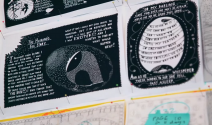
Printed art is an especially flexible gift. A small poster or art print can suit a new home, a child’s room, a home office, or a friend who appreciates visual details but does not need another practical object. For inspiration beyond the stalls, explore this Danish illustrator guide, which highlights print-based presents with personality and a strong local connection.
Textiles are another rewarding category. Scarves, tea towels, woven wall pieces, and small bags are easy to carry and often combine beauty with everyday usefulness. Look for natural fibres, careful finishing, and distinctive colour combinations. A handmade textile also carries the story of the person who made it, which gives a seemingly simple present much greater meaning.
Choose presents with Copenhagen character
The strongest local gifts do not need a miniature mermaid or a Danish flag printed across them. Copenhagen character can be subtle: a restrained colour palette, a reference to Nordic landscapes, an appreciation for useful objects, or a material associated with the region’s craft traditions.
For a design-minded recipient, consider a sculptural candleholder, a small piece of tableware, a linen accessory, or a beautifully made notebook. Stationery is particularly useful for thoughtful gifting because it is affordable, easy to wrap, and available in many styles. Look for letterpress cards, risograph prints, illustrated calendars, notebooks with quality paper, and wrapping paper made by independent designers.
Food gifts offer another route to a sense of place. Danish chocolate, liquorice, biscuits, preserves, coffee, tea blends, and spice mixes can be gathered into a small hamper. Rather than buying the largest box, choose two or three unusual flavours and add a handwritten note explaining why each was selected. This makes a modest edible gift feel curated.
| Gift find | Best for | Why it works | Packing note |
|---|---|---|---|
| Illustrated print | Art lovers and new homeowners | Adds personality without taking up much space | Use a sturdy tube or flat portfolio |
| Handwoven scarf | Style-conscious friends and family | Practical, tactile, and distinctly handmade | Fold with tissue paper; check fibre care |
| Danish sweets or coffee | Hosts, colleagues, and distant relatives | Easy to share and transport | Choose sealed packaging for travel |
| Ceramic cup or candleholder | Interiors enthusiasts | Brings everyday Nordic design into the home | Request protective wrapping |
| Notebook and card set | Students, writers, and stationery fans | Useful, personal, and easy to combine | Pair with a fine pen or small print |
| Handmade ornament | Collectors and families | Becomes part of an annual tradition | Wrap separately from heavier purchases |
Find the right market for the recipient
A market visit is more successful when the destination matches the person receiving the gift. Someone who loves interiors may enjoy a design-focused browse around central galleries and creative shops, while a family may prefer Tivoli, where festive entertainment makes the day feel like a shared celebration.
For a food lover, prioritise stalls selling regional specialities, baked goods, preserves, and drinks. Check whether the products are produced locally and whether the packaging gives enough information about ingredients. A small selection of Danish treats can become a thoughtful host gift or a welcome alternative to flowers.
For children, look beyond brightly packaged toys. Handmade wooden pieces, illustrated puzzles, craft kits, soft animals, and storybooks can be more distinctive than standard seasonal merchandise. A small toy from a local maker can also introduce a child to natural materials and imaginative play without becoming another noisy gadget.
Visitors shopping for someone who values fashion should explore knitted accessories, jewellery, leather pieces, and handmade scarves. Independent textile work is particularly worth seeking out; a profile of textile artist Karen Høj offers a closer look at the care and character behind handwoven Danish accessories.
Combine shopping with a slower winter day
The charm of Copenhagen’s seasonal markets lies in the space between purchases. After browsing, warm up in a café, visit a nearby museum, or take a walk through the old streets before returning to the stalls. This slower rhythm makes the experience feel less like an errand and gives you time to notice small makers that might otherwise be missed.
A central route could link Højbro Plads with Strøget, Kongens Nytorv, Nyhavn, and the surrounding design shops. Another day could centre on Tivoli and include a meal nearby. Markets and opening hours change from year to year, so check official listings before travelling, particularly if you are visiting on a weekday or close to Christmas Eve.
The timing of a visit also affects the atmosphere. Early afternoon is often more comfortable for browsing and photographing displays, while evening brings the full glow of the lights. If you want to speak with makers, avoid the busiest period. If the outing is intended as a festive treat, darkness and candlelight may be worth the extra crowds.
Shop thoughtfully and keep the story
Independent market shopping rewards curiosity. Ask whether an item was made in Denmark, whether the seller designed it personally, and how it should be used or cared for. These details help distinguish a meaningful craft purchase from a generic product and give you something to share when the gift is opened.
It is also worth considering durability and usefulness. A beautifully made object should have a realistic place in the recipient’s life, whether that means a scarf they can wear for years, a print that fits an existing wall, or a food gift they will genuinely enjoy. Thoughtful gifting is less about finding the rarest item than noticing what will feel right for a particular person.
A few practical habits can make the market experience smoother:
- Carry a reusable bag with room for fragile or oddly shaped purchases.
- Bring a small amount of cash, while keeping a payment card available for stalls that accept digital transactions.
- Photograph maker cards and labels so you can remember names, materials, and care instructions.
- Ask for protective wrapping when buying ceramics, glass, ornaments, or framed work.
- Leave enough time for one unexpected find rather than filling your list too quickly.
The most memorable presents often come from a small detour. A stall may lead to an artist’s studio, a local shop, or a new appreciation for a material you had not considered. Copenhagen is particularly good at turning everyday design into something giftable: practical objects can be elegant, and modest purchases can still carry a strong sense of place.
If you are visiting the city this Christmas, make space for markets that reflect the recipient rather than simply following the busiest route. Browse slowly, talk to makers, choose pieces with a story, and bring home gifts that feel connected to Copenhagen long after the lights have come down. Explore the stalls, support creative businesses, and let one carefully chosen discovery become the centre of your holiday giving.