












.png)
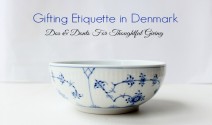
Danish watercolors and sketchbooks for the artist in your life
Choosing a gift for an artist is less about finding the largest set or the most expensive paper. The best present usually supports the way someone already creates: a compact palette for painting outdoors, a beautifully bound book for daily sketches, or a small tool that makes an ordinary drawing session feel more inviting.
Danish design brings a particularly appealing balance of practicality, simplicity, and visual calm to creative gifts. From Copenhagen stationery shops to Danish art-supply brands and carefully selected independent retailers, there are plenty of options for painters, illustrators, urban sketchers, and creative beginners.
Watercolor is also an easy medium to give thoughtfully. A pocket palette, a few artist-quality pans, or a handmade sketchbook can fit into a small gift bag while still feeling personal. The key is to match the materials to the recipient’s habits, preferred subjects, and level of experience.
Start with the artist’s creative habits
Before choosing a watercolor set, consider where the artist tends to work. Someone who paints at a kitchen table may appreciate a larger half-pan collection, a mixing tray, and a sturdy watercolor pad. An urban sketcher who moves between cafés and city streets will probably prefer a travel palette, a water brush, and a small book that slips easily into a coat pocket.
The artist’s subject matter can guide the color selection as well. Landscape painters may value earth tones, blue-greens, and transparent yellows, while illustrators often enjoy a broader selection of lively accent colors. For a beginner, a carefully chosen basic palette is more useful than a box crowded with similar shades.
It is worth noticing whether the artist draws first and adds color later, or paints directly with a brush. A mixed-media sketchbook suits the first approach, while a heavier watercolor block is a better choice for generous washes. This small distinction can make a gift feel considered rather than generic.
Danish and Copenhagen-friendly watercolor discoveries
Danish creative culture often favors functional objects with a pleasing tactile quality, and art materials are no exception. Look for watercolor sets with clear labeling, compact packaging, and colors that can be replaced individually. Danish retailers such as Creativ Company offer supplies for both hobby artists and experienced makers, making it possible to build a gift around a particular technique instead of buying a random assortment.
Søstrene Grene is another Copenhagen-rooted source for affordable creative materials. Its watercolor boxes, brushes, palettes, and paper can work well for a casual painter, a student, or someone who enjoys experimenting across several crafts. These products are especially suitable when the gift is meant to be playful and accessible rather than highly specialized.
For a more elevated present, combine a modest watercolor palette with a Danish-designed notebook or pencil case. Copenhagen stationery labels often bring a clean, understated look to everyday objects, and a restrained cover can appeal to an artist who prefers their tools to feel quiet and useful. A small ceramic water cup from a local design shop or a handmade brush holder can complete the set without overwhelming it.
When selecting watercolor paint, quality matters more than the number of pans. Artist-grade pigments generally offer better color strength, transparency, and mixing behavior, while student-grade paints can be a sensible choice for practice and loose studies. If you are uncertain, choose a smaller professional set from a reputable art supplier rather than a large unknown collection.
Match the sketchbook to the medium
A sketchbook is one of the most personal gifts for an artist because it becomes part of their routine. Paper weight, texture, binding, and page size all affect how comfortable the book feels. Watercolor needs paper that can tolerate moisture, while pencil and fineliner artists may prefer a smoother surface that allows small details and clean lines.
Cold-pressed watercolor paper has a subtle texture that gives washes character and helps disguise minor imperfections. Hot-pressed paper is smoother and often suits botanical studies, ink drawings, and precise illustration. A mixed-media book offers useful flexibility, especially for an artist who combines colored pencil, ink, gouache, and light watercolor.
Binding is equally important. A spiral-bound book can lie flat and is convenient for working outdoors, but a sewn or thread-bound sketchbook often feels more refined as a gift. Perforated pages are practical for artists who like to remove finished studies, while a hard cover offers protection during travel.
| Artist or use | Watercolor choice | Sketchbook choice | Useful addition |
|---|---|---|---|
| Beginner experimenting at home | Small student-grade palette with essential colors | Mixed-media book | Beginner brush set |
| Urban sketcher | Compact travel palette or watercolors in pans | Pocket-sized watercolor book | Water brush and pencil |
| Botanical illustrator | Transparent artist-grade colors | Smooth, heavy watercolor paper | Fine liner or detail brush |
| Landscape painter | Earth tones plus strong blues and greens | Cold-pressed watercolor block | Folding palette |
| Journal keeper | Portable set with a mixing area | Lay-flat paper journal | Date stamp or archival pen |
| Experienced artist | Selected professional half pans | Large-format watercolor sketchbook | Handmade brush roll |
A thoughtful combination is often better than a single premium object. Pair a pocket sketchbook with three or four carefully chosen watercolor pans, or give a substantial watercolor book alongside a small tube of white gouache. The gift then feels complete while leaving room for the artist’s own preferences.
Build a portable painting kit
A portable watercolor kit can turn a walk, train ride, or café visit into an opportunity to draw. Start with a compact palette that closes securely and has enough room for a few mixed colors. A fold-out mixing surface is useful, although a plain white tile or small reusable dish can work just as well.
Brushes should be chosen for convenience as much as performance. A round brush in a medium size is versatile for washes, outlines, and details. A travel brush with a protective cap is practical for artists who carry supplies in a bag, while a water brush removes the need for a separate water container during quick sketches.
Add a soft graphite pencil, a reliable eraser, and a waterproof fineliner if the recipient enjoys line-and-wash drawings. A small cloth, reusable water cup, and zippered pouch keep the materials organized. These supporting tools may seem modest, but they help an artist begin working without searching for missing essentials.
The best portable kit remains light enough to carry regularly. Avoid filling it with every possible color or tool. A limited palette encourages mixing and makes the set easier to use in public spaces, on a balcony, or during a weekend away from home.
Choose a gift around color and character
Color is a wonderful way to make an artist’s gift feel individual. A person who paints Nordic landscapes might enjoy muted mineral shades, mossy greens, slate blue, and warm ochre. Someone who creates playful illustrations may prefer bright coral, violet, turquoise, and sunny yellow. You can also choose a monochrome set in blues, sepia, or neutral greys for studies and atmospheric work.
A handwritten color card can make the present more meaningful. Paint small swatches on watercolor paper and label them with the color names, or include a note explaining why the palette reminded you of the recipient. This turns a practical supply into a small creative gesture.
Consider adding an object that connects the materials to Danish surroundings. A postcard featuring Copenhagen architecture, a print by a local illustrator, or a small image of the coast can provide a subject for the first painting. A sketchbook gift becomes more inviting when it includes a specific invitation to observe and draw.
Presentation matters, particularly when the contents are small. Use a reusable cotton pouch, a paper bag in a strong color, or a simple box that can later store brushes. If you want to keep the wrapping creative and low-waste, these recycled wrapping ideas offer useful inspiration for making the package part of the gift.
Add experiences for a more memorable present
Art materials are useful, but an experience can give them a story. Plan a visit to a museum, gallery, design exhibition, or independent art shop in Copenhagen and pair the outing with the sketchbook. The recipient can make quick studies of a building, object, or artwork, creating a personal record of the day.
A watercolor workshop is another strong option, particularly for someone who has recently discovered painting. Look for classes focused on botanical illustration, color mixing, urban sketching, or loose landscape techniques. A short session can offer new ideas without making the gift feel like a commitment to a formal course.
For a quieter experience, create a small sketching walk. Choose a route with varied subjects such as canal reflections, old façades, bicycles, gardens, and market stalls. Bring coffee or lunch, allow plenty of time, and give the artist permission to stop often. The simplicity of the plan is part of its appeal.
An experience also solves the problem of buying supplies for someone who already owns a great deal. You can give a museum ticket, a local illustration print, or a café voucher alongside one beautiful sketchbook. The result is personal without adding unnecessary materials to an already full studio.
Keep the present useful and personal
Artists can be particular about their tools, so a little restraint is wise. If you know the recipient’s favorite brand, paper size, or preferred pigments, follow that information. If you do not, choose flexible supplies and avoid highly unusual colors or specialist equipment unless the artist has mentioned wanting them.
A gift receipt can be practical, especially for paper and paint, but it does not need to make the gift feel impersonal. Include a note about the thought behind the choice and explain that the item can be exchanged for a different size or color if needed. Artists generally appreciate having control over materials they use every day.
Useful additions should support the main gift rather than compete with it. A brush roll, pencil sharpener, mixing palette, or protective sleeve can be more welcome than decorative extras. For children and teens, washable paints, sturdy paper, and easy-clean accessories may be the safest choices.
Ways to make the gift feel considered
- Choose paper that matches the recipient’s main medium, especially if watercolor or wet media is involved.
- Build a small palette around a favorite subject, such as coastal scenery, flowers, architecture, or travel.
- Add one practical accessory, such as a water brush, pencil, cloth, or protective pouch.
- Include a postcard, museum ticket, or planned sketching walk to encourage immediate use.
- Wrap the materials in a reusable bag or box that can become part of the artist’s studio.
A well-chosen Danish watercolor or sketchbook does not need to be extravagant. It can be a compact set from a Copenhagen shop, a carefully selected artist paper book, or a portable kit assembled around the recipient’s daily life. What makes it special is the attention behind the choice: noticing how they create, what colors they return to, and where they might enjoy making their next mark.
Choose one beautiful surface, one useful color tool, and one small detail that reflects the artist’s personality. Then give the gift with an invitation to use it soon—on a Copenhagen street, beside the sea, at the kitchen table, or wherever their imagination usually begins.