













.png)
Scandinavian home gifts for a beautifully edited space
A minimalist home is rarely empty. Its character comes from a small number of well-chosen objects: a pleasing lamp, a tactile vase, a beautifully made notebook, or a tray that quietly keeps everyday things in order. The best gifts for this kind of interior respect the space around them while adding warmth, usefulness, or a moment of delight.
Gift ideas for the minimalist: Scandinavian home decor favorites can range from practical Danish design pieces to handmade ceramics and soft textiles in natural shades. The common thread is intention. Each object should earn its place through its material, shape, function, or emotional value.
From a Copenhagen perspective, the most appealing Nordic interiors are not rigidly perfect. They combine clean lines with signs of living: a linen tea towel, a wooden toy on a shelf, a candle beside a stack of books. That balance makes Scandinavian-inspired gifts feel personal rather than predictable.
Start with calm materials
Materials often communicate more than color. Untreated or lightly finished wood, stoneware, linen, wool, paper, glass, and brushed metal have a quiet visual language that suits a pared-back home. They also bring texture, which prevents a neutral room from feeling flat.
A small oak bowl can hold keys, jewelry, or desk accessories. A linen cushion cover introduces softness without adding a loud pattern. A hand-thrown ceramic cup may have tiny variations that make it feel more special than a perfectly uniform mass-produced mug. These are useful gifts, yet their appeal is sensory as well as practical.
When choosing a minimalist home accessory, look closely at how it has been made. A visible weave, a softly uneven glaze, or the grain of the wood gives the recipient something to notice over time. Natural materials tend to age gracefully, making them a reliable choice for someone who prefers to buy fewer, better things.
Choose objects with a daily role
The safest gift for a minimalist is rarely a decorative object with no purpose. Look for something that improves a routine, solves a small problem, or makes an ordinary ritual more enjoyable. A compact carafe for the bedside table, a well-designed candle snuffer, or a sculptural wall hook can be both useful and visually satisfying.
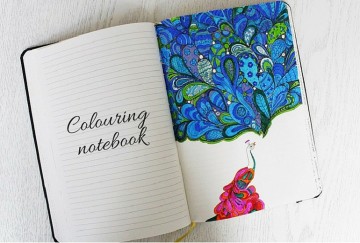
Stationery belongs in this category too. A beautifully bound notebook, a weighted pen, or a simple weekly planner can appeal to someone who enjoys clear surfaces and organized thoughts. Choose restrained typography, quality paper, and a cover in paper, canvas, or muted leather rather than excessive embellishment.
Kitchenware is another rich source of Nordic gift inspiration. A wooden serving board, stackable glassware, a linen apron, or a small coffee accessory can fit naturally into an existing home. If you are unsure about a recipient’s exact style, select an object with a straightforward silhouette and a function that is easy to understand.
Use color and shape with restraint
A Scandinavian palette does not have to mean a room filled entirely with white and pale gray. Soft clay, warm sand, muted blue, moss green, charcoal, and ochre can all sit comfortably within a minimalist interior. The key is to choose one gentle accent rather than several competing colors.
Shape matters just as much. Rounded edges and organic curves soften the architectural clarity of Nordic furniture, while simple geometric forms create a sense of order. A small bulbous vase, an oval mirror, or a cylindrical candleholder may add visual interest without becoming the center of attention.
Consider the recipient’s existing colors before buying. Someone with a cool, monochrome interior might appreciate smoked glass or deep blue stoneware. A home with oak furniture and cream textiles could welcome terracotta, olive, or warm brown. The most thoughtful present feels connected to what is already there, not selected in isolation.
Match the gift to the home
A useful way to choose is to imagine where the object will live. The entrance, kitchen, living room, bedroom, and workspace each have different needs. A gift for the hallway should help with arrival and departure; one for the desk should support focus; a living-room piece can offer texture, light, or a place to gather.
| Home area | Gift direction | Materials and colors | Why it suits a minimalist |
|---|---|---|---|
| Hallway | Tray, wall hook, small mirror | Oak, black metal, smoked glass | Creates order without visual clutter |
| Kitchen | Serving board, carafe, linen textile | Wood, clear glass, natural flax | Adds function to everyday rituals |
| Living room | Candleholder, vase, wool throw | Stoneware, ceramic, warm neutrals | Brings softness and atmosphere |
| Bedroom | Bedside lamp, sleep mask, small dish | Paper, linen, muted blue or sand | Supports a calm personal routine |
| Workspace | Notebook, pen, desk organizer | Recycled paper, cork, brushed metal | Makes focus feel considered |
| Children’s room | Wooden toy, print, storage basket | Beech, cotton, gentle color | Keeps playfulness simple and durable |
Scale is as important as style. A person living in a compact Copenhagen apartment may value a small object that serves several purposes more than a large statement piece. Nesting bowls, foldable textiles, stackable cups, and wall-mounted storage are particularly effective when floor and shelf space are limited.
For a larger home, you can consider an object with a little more presence, such as a generous wool throw or a handcrafted floor vase. Even then, restraint is helpful. A memorable gift does not need to dominate the room; it needs to feel proportionate to the recipient’s surroundings.
Consider the story behind the object
Minimalism becomes more meaningful when it includes provenance. A small print by a local illustrator, a ceramic made in a nearby studio, or a wooden object produced by an independent designer carries a story that mass-market decor often lacks. The gift then represents a person, place, or process as well as a style.
Copenhagen and the wider Nordic design scene offer plenty of examples. Look for makers who work with responsible materials, repairable construction, or small-batch production. A product does not need to be expensive to feel special, but it should show care in its design and manufacture.
A gift guide, studio profile, or independent shop can help you discover pieces beyond the familiar design classics. For brands and creative businesses interested in reaching readers who care about considered products, advertising opportunities can also connect thoughtful design with an audience that enjoys finding meaningful presents.
Build a considered shortlist
Before buying, think about the recipient’s habits rather than simply searching for “minimalist decor.” Do they make coffee slowly in the morning, keep a tidy desk, host friends for dinner, collect art, or enjoy a quiet evening with candles and music? Their routines will point you toward a gift with genuine relevance.
A short list of strong options can make the decision easier:
- A handmade ceramic mug in a softly speckled glaze for a daily coffee or tea ritual
- A linen table runner or tea towel in flax, oat, sage, or muted blue
- A compact wooden tray for keys, jewelry, candles, or bedside essentials
- A sculptural candleholder paired with unscented or lightly scented candles
- A high-quality notebook and pen for someone who enjoys planning, sketching, or journaling
The best minimalist gift often has a little flexibility built into it. A tray can move from the hallway to the coffee table. A vase can hold flowers, branches, or stand beautifully on its own. A wool throw can serve as a sofa layer, reading blanket, or picnic companion. Multifunctional pieces are especially useful for people who value open space.
Add warmth through presentation
Gift wrapping is part of the experience, particularly when the present itself has a quiet aesthetic. Brown paper, cotton ribbon, simple twine, a dried stem, or a small handwritten tag can create a thoughtful presentation without introducing unnecessary decoration. The wrapping should frame the object rather than compete with it.
There is room for creativity within a restrained palette. Try a black ink illustration on kraft paper, a strip of patterned paper used as a band, or a reusable fabric wrap in a neutral color. A pressed leaf or a tiny paper ornament can provide a personal detail while keeping the overall result calm. These touches are inexpensive, yet they show that time went into the gift.
For more ways to make simple materials feel special, these brown paper wrapping ideas offer an approachable starting point. Brown paper is especially well suited to Scandinavian-inspired presents because its warm, matte surface pairs naturally with wood, ceramics, linen, and recycled card.
Let the gift feel personal
A minimalist present should never feel anonymous. Add a brief note explaining why you chose it: perhaps the color reminded you of the recipient’s kitchen, the handmade finish made you think of their love of craft, or the object seemed perfect for a ritual you share. That context gives even a small home accessory emotional weight.
If the gift is part of a larger moment, pair it with something consumable or experiential. A ceramic cup can come with a favorite coffee, a serving board with local cheese, or a notebook with tickets to an exhibition. These combinations keep the material gift useful while extending its story beyond the object itself.
Choose one beautiful, fitting thing instead of several loosely related items. In a minimalist home, the care behind the selection matters more than the size of the parcel. A carefully chosen Scandinavian design piece can become part of someone’s everyday life, which is the most lasting kind of decoration. Browse independent makers, local design shops, and thoughtful stationery or interiors collections, then wrap your choice simply and give it with a note that makes the reason unmistakable.