











.png)

Thoughtful Gifts for Birdwatchers in Denmark
Birdwatching turns an ordinary walk into an expedition. A blackbird in a Copenhagen garden, a flock of geese over Amager Fælled, or a wren moving through a hedgerow can make someone pause, look closer, and remember the place differently. That sense of discovery is what makes gifts for the birdwatcher so rewarding: they support a hobby built around attention, patience, and time outdoors.
The best presents do not need to be extravagant. A reliable pair of binoculars, a Danish field guide, a weatherproof notebook, or a small accessory for a day beside the coast can make a real difference. For a beginner, the gift should feel inviting rather than technical. For an experienced birder, thoughtful details such as optical quality, weight, and local species knowledge matter much more.
Denmark is especially well suited to this kind of gift. Its beaches, lakes, forests, urban parks, and migratory routes offer varied habitats within easy reach of one another. A present with a distinctly Danish connection can therefore be practical, beautiful, and linked to the landscapes where it will be used.
Finding The Right Binoculars
Binoculars are usually the central gift for a birdwatcher, yet choosing them involves more than finding the highest magnification. The numbers printed on a pair, such as 8x32 or 10x42, describe magnification and objective-lens diameter. An 8x32 model gives a wide, steady view and is often easier for a beginner to use. A 10x42 pair brings distant birds closer, though it can feel heavier and more difficult to hold still.
For walks through city parks, gardens, and woodland, 8x32 binoculars are an excellent all-purpose choice. They are generally light enough to carry all day while offering enough brightness for shaded habitats. Compact 8x25 binoculars fit easily into a coat pocket and suit casual outings, concerts, or travel, but their smaller lenses may be less comfortable at dawn, dusk, or under dense tree cover.
A pair with a comfortable focus wheel, grippy covering, and adjustable eyecups will be used more often than an impressive-looking model that feels awkward in the hand. Waterproofing and fog resistance are valuable in Danish weather, where a clear morning can quickly become damp and windy. If the recipient wears glasses, twist-down eyecups and a generous field of view deserve particular attention.
Danish Brands And Practical Details
When people search for Danish binoculars, they may mean a Danish brand, a model sold by a Danish retailer, or optics suited to birding in Denmark. Focus Optics is one local name worth exploring, while international manufacturers are widely available through Danish outdoor and optics shops. The important point is to examine the specifications and after-sales support rather than relying on nationality alone.
A gift bought locally can have practical advantages. Danish retailers may provide guidance in person, help with fitting, and make returns or warranty questions easier. It is also worth checking whether a neck strap, protective case, lens cloth, and rain guard are included. These small components are easy to overlook when buying online, but they make a first birding trip considerably more pleasant.
Avoid choosing binoculars solely because they offer the largest magnification. A shaky 12x pair may reveal less detail than a stable 8x model. For many recipients, a bright, well-built pair with a smooth focus mechanism will be a better long-term companion than a technically ambitious instrument that remains at home because it is too cumbersome.
Field Guides That Invite Exploration
A field guide gives binoculars a purpose. Danish bird books can help a new observer identify familiar garden visitors while gradually introducing shorebirds, raptors, waders, and seasonal migrants. Look for clear illustrations, concise descriptions, habitat information, and a format that can survive being carried outdoors. A guide that is beautiful but too large for a backpack may spend more time on a shelf than beside a lake.
For a Danish recipient, a guide in Danish is an especially personal choice. It makes local names easier to remember and can add cultural texture to the activity. An English-language guide may be useful for someone who travels frequently or enjoys comparing European species, while a Danish guide often feels more connected to everyday walks around the country.
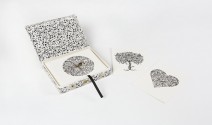
Pairing a field guide with a notebook creates a simple observation kit. The recipient can record the date, location, weather, species, and small details such as behaviour or song. A set of nature-themed postcards can extend that habit into correspondence; these Copenhagen stationery sets would suit someone who enjoys sending observations or sketches to friends after a walk.
| Gift Type | Best For | Useful Strengths | Points To Consider |
|---|---|---|---|
| Compact 8x25 binoculars | Casual walkers and travellers | Light, portable, easy to pack | Less bright in low light |
| 8x32 binoculars | Beginners and everyday birders | Balanced weight, wide view, versatile size | Usually costs more than basic compact models |
| 8x42 binoculars | Serious nature enthusiasts | Bright image and strong performance in woodland or dusk | Heavier for long walks |
| 10x42 binoculars | Open landscapes and distant birds | Greater reach across wetlands and coasts | Narrower view and more noticeable hand movement |
| Danish bird guide | Local beginners and families | Familiar species names and habitats | Check size, binding, and seasonal coverage |
| Waterproof notebook and pencil | Observers who like recording details | Encourages regular use and personal memories | Pencil works better than ink in damp weather |
Building A More Personal Gift
A thoughtful birdwatching present can be assembled around the recipient’s habits. Someone who likes spontaneous walks may appreciate compact binoculars, a small guide, and a clip-on case. A committed birder may prefer a larger field guide, lens-cleaning tools, a seat pad, and a voucher for a specialist optics shop. For a child, choose light equipment, large illustrations, and an element of play rather than complicated specifications.
The wrapping can communicate the same care as the contents. Use a sturdy gift bag, recycled paper, or a fabric pouch that can later carry field notes. A handwritten card with a suggested destination—Utterslev Mose, Dyrehaven, Amager Strandpark, or a nearby lake—turns the gift into an invitation to go outdoors. It is often more meaningful than adding another unrelated object.
Curated Danish gifts can also inspire the presentation. The calm, useful approach seen in this Danish newborn gift box is a helpful reminder that a collection feels special when every item has a role. For a birdwatcher, that might mean combining optics, a local guide, and one small comfort such as a thermos, woollen hat, or chocolate bar for a chilly observation morning.
Copenhagen And Beyond
A birdwatching gift becomes more memorable when it points towards a specific place. Copenhagen has plenty of accessible habitats, from leafy cemeteries and city parks to wetlands and coastal paths. The recipient does not need to travel far to begin: a pair of binoculars can reveal tits, woodpeckers, herons, gulls, and seasonal visitors within a short cycle ride.
Amager is a particularly natural setting for a gift with a local focus, thanks to its open landscapes and changing birdlife. Utterslev Mose offers ponds, reedbeds, and paths suitable for a relaxed first outing. North of the city, Dyrehaven combines woodland and open grassland, while the coast provides a different perspective on gulls, ducks, and migrating birds.
A local birding guide, map, or experience can complement equipment beautifully. Consider a guided nature walk, a membership of a Danish bird organisation, or a day planned around a particular habitat. The experience does not need to be formal or expensive. A packed lunch, a printed route, and time set aside to look carefully can turn a pair of binoculars into a lasting memory.
Useful Extras For Time Outdoors
Accessories are a good choice when the recipient already owns binoculars. A padded case protects optics in a backpack, while a comfortable harness distributes weight better than a narrow neck strap. A lens pen, microfibre cloth, and small dry bag are practical additions for damp conditions. Avoid using household tissues or clothing to clean lenses, since they may leave fibres or fine scratches.
A notebook with thick, water-resistant pages makes field notes feel more purposeful. Add a mechanical pencil, a small ruler for estimating bird size, or coloured pencils for quick sketches. A thermos, sit mat, and pair of warm socks are equally appropriate for long waits beside a lake. The best extras support observation without distracting from it.
For younger birdwatchers, consider a magnifying glass, species bingo cards, or a simple bird-feeder kit for the garden. For adults who enjoy photography, a phone adapter for binoculars can be fun, though compatibility should be checked before purchase. A gift receipt is sensible for technical equipment, especially when fit, weight, or visual comfort may vary from person to person.
A Considered Gift List
Use the recipient’s experience level, favourite landscape, and preferred pace to shape the final choice:
- Choose 8x32 binoculars as a dependable starting point for a beginner who wants one versatile pair.
- Select 8x42 optics for someone who spends long hours outdoors in woodland, wetlands, or changing light.
- Add a Danish-language field guide with clear illustrations and a manageable size for carrying.
- Include a weatherproof notebook, pencil, and handwritten suggestion for a local birding walk.
- Choose a case, harness, lens cloth, or dry bag when the recipient already has good binoculars.
The most successful birdwatching gifts support curiosity rather than showing off technical knowledge. A well-fitting pair of binoculars, a guide that explains what is being seen, and a reason to step outside can be enough to begin a lasting habit. In Denmark, where coast, countryside, and city habitats are close together, even a familiar route can become a place of discovery.
Wrap the gift with a simple local touch and include a plan for its first outing. Invite the recipient to explore a Copenhagen wetland, follow a woodland path, or spend an hour watching the garden feeder. The real present is the chance to slow down, notice more, and share the landscape with someone else.