














.png)
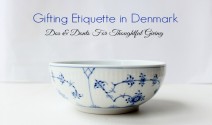
Danish stoneware for the minimalist home
The best gifts for the minimalist are often practical, beautiful, and quiet enough to become part of everyday life. Danish stoneware mugs and bowls meet all three conditions. They bring texture and warmth to a home without adding visual clutter, and their usefulness gives them a place beyond the moment of unwrapping.
A handmade or thoughtfully designed ceramic can also feel personal without relying on decoration. The shape, glaze, weight, and small variations in the surface create character, while a restrained palette keeps the piece easy to live with. For someone who prefers fewer, better objects, that balance makes stoneware an especially thoughtful choice.
From Copenhagen design shops to independent ceramic studios, Denmark has a strong tradition of simple forms and considered materials. A single coffee mug, a pair of breakfast bowls, or a small serving dish can suit many occasions, from a housewarming gift to a birthday present for someone who appreciates good design.
Why stoneware suits a pared-back home
Minimalism does not have to mean a completely white interior or a space without personality. It is more about choosing objects carefully and allowing each one enough room to be noticed. Stoneware supports that approach because it combines function with a tactile, grounded quality. A mug can be used every morning, while its glaze and silhouette quietly contribute to the atmosphere of a kitchen.
The material is fired at a high temperature, giving it a substantial feel and good durability for regular use. Compared with delicate porcelain, stoneware usually has a warmer, more generous presence. It feels comfortable in the hand and looks equally at home on an open shelf, a dining table, or beside a reading chair.
For a gift giver, this practicality removes some of the uncertainty around personal taste. A neutral ceramic does not need to match a particular colour scheme perfectly. Shades such as sand, chalk, smoke, moss, oatmeal, and soft blue can sit naturally within many interiors, making them reliable choices for design-conscious recipients.
The Danish design details to notice
Danish ceramics often rely on proportion rather than ornament. A slightly rounded rim, a softly squared handle, or a low bowl with a generous foot can make a familiar object feel distinctive. These details are easy to overlook in a photograph, but they become important when the recipient holds and uses the piece.
Glazing is another feature worth considering. A satin finish can feel calm and understated, while a glossy glaze catches the light and gives a simple shape more energy. Speckled clay, brushed edges, and tonal variations add depth without turning the object into a decorative accent. Handmade ceramics may show small differences from one item to the next, which is part of their appeal.
When browsing gift recommendations across different categories, the gifts by type section can help place a ceramic present alongside stationery, interiors, art, or other useful discoveries. That wider perspective is useful when a mug or bowl is meant to be part of a small collection rather than a standalone gift.
Choosing a minimalist mug
A mug is often the easiest stoneware gift to buy because it is personal without being overly intimate. Think first about how the recipient drinks. Someone who takes a small espresso may prefer a compact cup with a thick rim, while a tea drinker or slow coffee enthusiast may appreciate a larger vessel with room for both hands.
The handle deserves as much attention as the body. A generous loop offers a relaxed grip, while a narrow geometric handle can give the mug a more architectural appearance. Some handmade cups have no handle at all, creating a small tumbler that works well for coffee, tea, hot chocolate, or even a glass of water at a desk.
Weight matters too. A heavier mug feels reassuring and substantial, but an especially dense piece may be less pleasant for someone who likes to carry a drink from room to room. Look for a stable base, a comfortable drinking edge, and a size that feels suited to everyday use rather than occasional display.
Finding the right bowl
Bowls are versatile gifts for people who appreciate objects with several possible uses. A small stoneware bowl can hold yoghurt, berries, snacks, jewellery, keys, or a candle. A medium bowl may serve breakfast, soup, noodles, or a simple dessert. This flexibility makes bowls particularly suitable for minimalist homes, where each object is expected to earn its space.
Shape changes the character of a bowl. A deep, rounded form feels practical and cosy, while a low, wide bowl creates a more modern presentation. A footed bowl has a crafted, sculptural quality, and a softly irregular rim can make a simple meal feel more considered. If you know the recipient enjoys hosting, a pair of matching bowls or two complementary forms can be more useful than a single statement piece.
Colour should support the way the bowl will be used. Pale neutrals make food look crisp and fresh, darker glazes create contrast with lighter dishes, and earthy tones suit a warm Scandinavian interior. A bowl with a restrained exterior and a subtly contrasting interior is a good compromise for someone who prefers calm design with a little visual interest.
Comparing useful stoneware gift options
The most appropriate choice depends on the recipient’s habits, available space, and relationship with design. A single mug is easy to post and works well as a modest gesture. A pair of bowls feels more generous, while a small serving piece may suit someone who enjoys entertaining or styling a dining table.
The table below gives a practical overview of common ceramic gifts. It is worth treating the price and size ranges as general guidance, since studio ceramics and Danish design collections can vary considerably.
| Stoneware gift | Best for | Typical size | Design character | Gift advantage |
|---|---|---|---|---|
| Everyday mug | Coffee or tea drinkers | 250–400 ml | Warm, tactile, familiar | Useful from the first morning |
| Espresso cup | Small coffee rituals | 80–120 ml | Compact and refined | Works for limited kitchen space |
| Breakfast bowl | Yoghurt, porridge, fruit | 14–18 cm diameter | Soft, practical, versatile | Easy to use every day |
| Low serving bowl | Snacks, salads, desserts | 20–26 cm diameter | Calm and contemporary | Suitable for hosts and food lovers |
| Small catchall bowl | Jewellery, keys, small objects | 8–13 cm diameter | Simple and sculptural | Adds function without clutter |
| Two-piece set | Couples or new homes | Varies | Coordinated or contrasting | Feels complete and generous |
A carefully chosen set can also create a sense of ritual. Two matching coffee cups may become part of a morning routine, while a bowl paired with a small spoon or tea towel can form a modest, cohesive present. The strongest combinations share a material, colour family, or design language without looking over-arranged.
How to select a thoughtful piece
Start with the recipient’s existing habits rather than the item you find most attractive. A person who works from home may use a mug constantly, while someone who cooks often may value a serving bowl. If the recipient lives in a small flat, a compact object with several functions may be more welcome than a large decorative piece.
It is also helpful to consider whether they prefer consistency or individuality. A matching pair suits someone who likes an orderly table setting. An artisan mug with a distinctive glaze is better for a person who enjoys small variations and objects that reveal how they were made. When buying handmade pottery, examine the photographs carefully for the shape, finish, and colour shown, since each collection may have its own character.
Packaging can make a difference without adding unnecessary material. Wrap the ceramic in recycled paper, place it in a sturdy box, and use a simple ribbon or a natural fibre tie. A handwritten note explaining why you chose the shape or glaze gives the gift emotional value while preserving the minimalist presentation.
Caring for Danish stoneware
Most contemporary stoneware mugs and bowls are designed for regular domestic use, but care instructions can differ. Before buying, check whether the item is dishwasher-safe, microwave-safe, or suitable for oven use. Handmade pieces with metallic details, delicate finishes, or pronounced surface variation may need gentler treatment.
A ceramic gift is easiest to enjoy when its care requirements match the recipient’s routine. Someone who prefers convenience will probably appreciate a durable mug that can go into the dishwasher. A collector of studio pottery may happily hand-wash a special bowl because the process is part of caring for the object.
Small habits help preserve the finish. Avoid sudden temperature changes, do not stack pieces with rough surfaces between them, and use non-abrasive sponges for cleaning. Over time, stoneware may develop subtle signs of use, and these marks can make it feel even more connected to the daily rituals it supports.
Building a small ceramic collection
A minimalist ceramic collection does not need to be bought all at once. Begin with one dependable mug or bowl, then add pieces that share a quiet relationship rather than an exact match. Similar clay tones, complementary glazes, or repeated rounded forms can make different makers and collections work together.
A useful starting palette might include ivory, warm grey, charcoal, muted green, or terracotta. These colours create variation while remaining easy to combine. If the recipient already owns a lot of pale ceramics, one smoky or earthy piece can add depth without disrupting the overall simplicity of the kitchen.
For additional inspiration, browse a considered gift shop selection where a stoneware piece can be paired with another small, useful object. A linen napkin, a box of tea, a handmade candle, or a quality notebook can complete the gift while keeping the emphasis on everyday pleasure.
A practical buying checklist
Before choosing a mug or bowl, a few simple checks can help turn a beautiful find into a genuinely useful present.
- Choose a size that fits the recipient’s usual coffee, tea, breakfast, or serving habits.
- Look for a stable base, comfortable rim, and handle that appears easy to hold.
- Select a neutral or earthy glaze if you are unsure about their interior colour palette.
- Check dishwasher, microwave, and oven guidance before purchasing.
- Pair the ceramic with one modest companion item rather than creating an oversized hamper.
The best minimalist gifts feel effortless once they arrive in the home. A stoneware mug should invite a first cup of coffee, and a bowl should suggest a meal, snack, or small moment of order. That everyday usefulness is what allows a simple ceramic object to become a lasting favourite.
Danish stoneware offers a thoughtful way to celebrate design, craftsmanship, and daily rituals in one compact gift. Explore a mug for a coffee lover, a bowl for someone who enjoys cooking, or a small coordinated set for a new home, and choose a piece that brings quiet pleasure to the routines already there.