













.png)
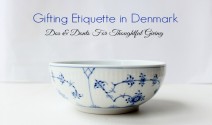
A Danish design serving platter for the perfect host gift
A good host gift should feel generous without creating another task for the person receiving it. Flowers are lovely, wine is dependable, and chocolates rarely go unappreciated, yet a beautifully designed serving platter can be more lasting. It arrives as a gesture for the occasion and becomes part of many occasions afterwards: birthday lunches, Friday drinks, Christmas gatherings, and impromptu coffee with friends.
Danish design is especially suited to this kind of present. The best pieces tend to combine clean lines with practical details, allowing the food, flowers, or table setting to take centre stage. A platter can be sculptural enough to display on an open shelf while remaining useful enough for everyday rye bread, pastries, cheese, or seasonal fruit.
From a Copenhagen perspective, the appeal lies in that balance between beauty and ease. Scandinavian homes often favour objects that earn their place through regular use. Choosing a serving piece with a clear sense of material, proportion, and purpose makes the gift feel personal rather than merely decorative.
Why a platter makes such a thoughtful present
A serving platter suits a remarkably wide range of hosts. The keen cook can use it for a carefully arranged meal, while someone who prefers simple entertaining can fill it with store-bought pastries or takeaway sushi and still create a polished presentation. It also works for people who enjoy interiors, because a handsome platter can rest against a kitchen backsplash or sit on a dining table between gatherings.
Unlike a highly specific kitchen gadget, a platter does not assume a particular cooking style. It does not require knowledge of the recipient’s recipes, dietary habits, or storage system. The gift offers possibility rather than instruction, which is an important distinction when buying for someone whose taste you know well but whose kitchen you do not.
The most successful host gifts also carry a little emotional generosity. A platter says, “I hope you enjoy sharing something,” rather than simply, “Here is another object.” It becomes connected to the meals served on it and the people gathered around it, gradually collecting memories alongside crumbs and candle wax.
The details that make Danish design special
Danish tableware is often recognised for its calm visual language. Soft curves, restrained colours, tactile glazes, and carefully considered handles create pieces that feel contemporary without being tied to a short-lived trend. This makes a Danish serving dish a safe choice when you want something distinctive but not difficult to combine with existing crockery.
Material has a strong influence on the character of the gift. Stoneware feels warm and informal, especially when its glaze has subtle variation. Porcelain offers a lighter, more refined appearance and can suit a formal dining room. Wood introduces natural texture and warmth, while stainless steel or aluminium gives a platter a crisp, modern presence.
Look closely at the small decisions. Is the rim high enough to keep grapes or crackers from rolling away? Can the piece be lifted comfortably with one hand? Does the surface have enough visual interest without competing with food? These practical questions often reveal the quality of the design more clearly than a logo or a dramatic silhouette.
Choosing a piece that fits the recipient
The right platter depends on the way the recipient hosts, not simply on what looks attractive in a shop. Someone who entertains with long, relaxed dinners may appreciate a generous oval design for roasted vegetables or a selection of cheeses. A compact apartment dweller might prefer a smaller plate that works for cake, fruit, and breakfast and is easy to store vertically.
Colour deserves equal attention. Neutral white, sand, smoke, or pale grey can blend into almost any table setting and usually makes an especially versatile wedding or housewarming gift. Deep blue, forest green, terracotta, or a hand-painted pattern feels more expressive and may suit a host with a strong personality or an appreciation for artistic ceramics.
Before buying, consider the recipient’s existing home. A Copenhagen apartment with pale wood and muted textiles might welcome a softly glazed stoneware platter, while a colourful home could support a bolder form. For broader present inspiration, the gift ideas by type can help you think beyond the usual bottle of wine and match the serving piece to the person’s interests.
| Recipient or occasion | A suitable platter style | Why it works |
|---|---|---|
| New homeowner | Medium stoneware platter in a calm neutral | Useful immediately and easy to combine with existing dishes |
| Design enthusiast | Sculptural ceramic or boldly coloured piece | Functions as both tableware and an interior accent |
| Frequent dinner host | Large oval or rectangular serving board | Gives generous space for shared dishes and grazing foods |
| Coffee-and-cake lover | Small porcelain cake plate or handled tray | Ideal for everyday rituals and casual visits |
| Minimalist | Simple white, charcoal, or natural wood design | Offers function without visual clutter |
| Family with children | Durable, rounded stoneware or wood platter | Practical for informal meals and easy serving |
Materials, care, and everyday usefulness
Stoneware is one of the most dependable choices for a host gift. It has enough weight to feel substantial, but it remains approachable and comfortable on a casual table. Look for a well-finished base, a glaze without awkward sharp edges, and care instructions that suit the recipient’s routine. Dishwasher-safe pieces are especially welcome for hosts who entertain often.
Wooden serving boards bring a different mood. Oak, beech, and acacia can make bread, cheese, and fruit look inviting, while a large board can double as a centrepiece. Wood needs a little more care than ceramic: it should generally be hand-washed, dried promptly, and treated with food-safe oil when the surface begins to look dry. That small ritual is part of its charm, though it may not suit someone who wants everything to go straight into the dishwasher.
Porcelain is a good choice when the gift should feel elegant and lightweight. It works beautifully for desserts, canapés, and delicate sandwiches, and a plain white piece creates a gallery-like backdrop for colourful food. Metal platters are useful for a sharper, more contemporary style, but check for fingerprints, heat sensitivity, and whether the surface is intended for direct food contact.
Personal touches that make the gift memorable
Presentation can turn a useful object into a complete hosting gift. Wrap the platter in a tea towel, linen napkin, or reusable fabric instead of conventional paper, then tie it with ribbon or simple string. The fabric adds a second useful item and can become part of the recipient’s kitchen or table setting.
You can also place a small edible treat on the platter before wrapping it. Danish biscuits, a local loaf, chocolate truffles, coffee beans, or a jar of good jam give the recipient an immediate reason to use the gift. Select something with a natural connection to the serving piece rather than filling it with too many extras.
A handwritten note adds the most personal element. Mention a specific occasion you can imagine the recipient enjoying, such as serving summer strawberries, arranging a birthday cake, or bringing cheese to a weekend cabin. This makes the present feel considered without requiring an elaborate monogram or custom engraving.
Gift ideas for different hosting styles
For the relaxed host, choose a broad board with a natural edge or a softly shaped ceramic platter. These pieces work for communal food and encourage people to help themselves. Pairing one with a small jar of preserves or a packet of crispbread creates an easy, distinctly Nordic-feeling present.
For the artistic host, seek out a platter with a hand-finished glaze, unusual proportions, or a pattern that references nature. A slightly irregular rim or visible brushwork can make the object feel like a small artwork. It should still be practical, but a little individuality is welcome when the recipient enjoys collecting creative objects.
For the elegant entertainer, a slim porcelain platter or polished metal design may be the better direction. Choose a restrained silhouette and a colour that will work with both everyday plates and formal table linen. The gift can be accompanied by delicate biscuits, a bottle of alcohol-free sparkling drink, or a handwritten menu for a future dinner.
For the host who rarely plans ahead, prioritise easy care and adaptability. A medium-sized dishwasher-safe dish is likely to be used far more than an oversized statement piece. It can hold morning pastries, sliced fruit, snacks for children, or a simple supper, proving that good design belongs in ordinary routines as much as special celebrations.
How to buy with confidence
Size is the first practical checkpoint. A platter that is too large may be difficult to store and awkward to carry from kitchen to table, while one that is too small may feel like a decorative plate rather than a genuine serving dish. Medium formats are usually the safest gift because they accommodate several kinds of food without demanding dedicated cupboard space.
Pay attention to weight and balance. A heavy ceramic platter can feel luxurious, but it should not be so cumbersome that the recipient avoids using it. Handles, raised edges, and a stable base all improve everyday handling. If you are buying online, check dimensions and read care information instead of relying on photographs, which can make a piece appear smaller or larger than it is.
Finally, think about longevity. A design that reflects Danish principles of simplicity and function is likely to remain appealing for years, especially when its finish is durable and its form is easy to live with. The best purchase is rarely the most elaborate one; it is the piece that can move comfortably from a weekday snack to a festive table.
A carefully chosen Danish serving platter makes a host gift feel generous, useful, and connected to the pleasure of gathering. Select a shape that suits the recipient, a material that matches their habits, and a finish that brings a little beauty to ordinary meals. Wrap it with something edible or reusable, add a personal note, and give them an object ready to become part of their hosting story.