










.png)
Pernille Snedker and the art of a memorable necklace
A necklace can be a small piece of personal architecture. It rests close to the body, catches light as its wearer moves, and often carries a story that is more intimate than its scale suggests. That makes the work of Danish designer and artist Pernille Snedker a fascinating starting point for anyone interested in jewellery with a strong sense of place.
Snedker is best known for her experimental approach to wood, colour, pattern, and natural processes. Her practice sits between craft, design, and art, drawing attention to the structures hidden inside familiar materials. Although she is not primarily known as a conventional goldsmith working from a traditional jewellery bench, her ideas offer a rich way to think about necklaces: as tactile objects, miniature landscapes, and carefully considered gifts.
For a Copenhagen-minded gift guide, that distinction matters. A necklace inspired by Snedker’s visual language may appeal to someone who values Danish design but wants something less predictable than a standard piece of Scandinavian minimalism. It can be quiet and refined while still carrying evidence of process, material, and imagination.
A Copenhagen creative with a material-led practice
Pernille Snedker Hansen is a Danish designer and artist whose work often begins with close observation of wood. Rather than treating timber as a neutral construction material, she reveals its internal rhythm through cutting, layering, colouring, and repetition. Grain becomes pattern; a cross-section becomes a landscape; a familiar surface takes on an almost geological quality.
Her best-known projects include experimental wood surfaces and marquetry-like compositions in which natural growth rings are transformed into vivid visual fields. Works such as her “Marbelous” series show how a material associated with furniture and interiors can become luminous, playful, and unexpectedly delicate. The result is recognisably Nordic in its attention to nature, yet more expressive than the restrained pale-wood aesthetic often associated with Danish design.
This approach is especially relevant to jewellery. A necklace does not need to be made entirely from precious metal to feel precious. The value may come from the rarity of the surface, the skill required to shape it, or the way it records a natural process. Snedker’s practice encourages us to look beyond gold and silver as automatic markers of importance.
Why her work translates naturally into necklace design
A necklace inspired by Snedker’s work would begin with the relationship between organic structure and human scale. The pendant might echo a tree ring, a slice of patterned wood, or a layered surface that looks different in changing light. Its appeal would lie in the tension between geometry and irregularity: a clear outline holding a pattern that could never be exactly repeated.
That quality makes such jewellery feel personal without becoming overly sentimental. Each piece can suggest a tiny world, especially when the grain or colour variation remains visible. A pendant with an uneven edge, a dark line, or a concentrated burst of colour can feel closer to a found object than a mass-produced accessory.
The form also suits people who enjoy design with a narrative. A small wooden or mixed-material pendant can prompt conversations about Danish craftsmanship, sustainable materials, and the difference between an ornament and a miniature artwork. For a recipient who collects unusual accessories, it offers something more distinctive than a familiar chain with a generic charm.
There is a practical point here as well. Snedker’s visual language favours strong surfaces over excessive decoration. A necklace based on that principle can work with a simple shirt, knitwear, or a black dress, allowing the pendant to provide the main point of interest. It is expressive without requiring a complicated outfit.
Nature, pattern, and the Danish design sensibility
The natural world is a recurring source of inspiration in Danish craft, but Snedker’s treatment of nature is far from merely rustic. She does not simply reproduce leaves, branches, or flowers. Instead, she examines the processes that make natural forms distinctive: growth, layering, variation, and time.
That is what gives her work a contemporary edge. The patterns can recall marble, topographic maps, aerial views, or microscopic images, while the material still retains an unmistakable connection to trees. In a necklace, this visual ambiguity would be particularly effective. The wearer might see wood grain, while someone else sees a painted abstract composition or a fragment of a landscape.
The palette can also move beyond the familiar browns and honey tones of timber. Deep blue, green, black, red, or softly faded natural shades could create a pendant that feels more like wearable art than a rustic keepsake. The most successful interpretation would preserve the material’s character rather than covering it with an overly polished finish.
For a gift buyer, this opens up several directions. A nature lover might appreciate the connection to trees and growth rings. A design enthusiast may respond to the precision of the pattern. Someone drawn to colour could choose a pendant with a bolder surface. The same artistic foundation can therefore support very different personal tastes.
How a necklace can carry her signature
A jewellery maker translating Snedker’s ideas into a necklace would need to be careful. The aim should not be to copy a recognisable artwork or attach her name to an unrelated product. It would be more meaningful to borrow the principles behind her work: respect for natural material, fascination with inner structure, and a willingness to let irregularity remain visible.
A pendant could be made from a thin slice of figured wood, protected with a durable finish and framed by recycled silver or warm-toned gold. Another option would combine wood with enamel, resin, or a small metal setting, creating a contrast between a soft organic pattern and a precise border. The chain could remain simple so that the surface has room to speak.
Proportion would be important. A very small pendant may lose the visual depth that makes Snedker’s work compelling, while an oversized piece could become difficult to wear. Something around the size of a small locket or pebble would allow the grain to be seen without overwhelming the person wearing it.
The reverse side deserves attention too. A discreet maker’s mark, a date, or a short note about the wood could turn the necklace into a more complete object. If the piece is a gift, the story of its material can be included on a small card. This is where an accessory becomes a keepsake: the object and its explanation reinforce one another.
| Element | Snedker-inspired direction | Why it matters in a necklace |
|---|---|---|
| Main material | Figured wood, layered timber, or wood combined with metal | Keeps the natural structure central |
| Surface | Visible grain, rings, colour shifts, or controlled pattern | Gives each pendant an individual character |
| Metal | Recycled silver, gold, or a restrained setting | Adds durability and defines the shape |
| Form | Oval, organic, geometric, or locket-like | Balances wearability with visual presence |
| Finish | Satin, softly polished, or lightly textured | Protects the material without hiding it |
| Packaging | A material note and simple Danish-inspired presentation | Extends the story beyond the jewellery |
Choosing the right piece for a thoughtful gift
The recipient’s existing style should guide the choice more than the label “Danish design.” Someone who wears small gold jewellery every day may prefer a modest pendant with a warm metal edge. A person who favours sculptural accessories could enjoy a larger, irregular form. For someone who dresses in neutrals, colour in the pendant can provide a welcome focal point.
It is also worth considering how the necklace will be worn. A short chain keeps the piece close to the collarbone and makes it feel neat and intimate. A longer chain gives an organic pendant more space and works well over knitwear. Adjustable lengths are particularly useful when buying a gift because they reduce the risk of choosing the wrong proportion.
Material care should be part of the decision. Wood is lighter than metal, but it can be sensitive to prolonged moisture, perfume, and extreme changes in humidity. A responsible maker should explain how the pendant has been sealed and how it should be stored. This information does not diminish the romance of the gift; it shows that the material has been treated with care.
Presentation can complete the experience. A simple box, a handwritten message, and a short description of the wood can make a small necklace feel considered. For additional inspiration on tiny, personal gestures, these mini love notes offer a charming way to accompany a piece of jewellery without turning the gift into a grand declaration.
Finding the balance between art and everyday wear
The most successful necklace inspired by Pernille Snedker would occupy a useful middle ground. It would have enough visual complexity to reward close attention, yet remain comfortable and versatile enough for regular use. That balance is central to good wearable design: the piece must belong to the body, not merely sit on display.
A pendant can feel artistic through its surface, not through excessive scale. Subtle differences in grain, a carefully placed inlay, or a small irregularity may create more lasting interest than a highly ornate setting. The wearer notices these details over time, which helps the necklace develop emotional value.
This is also why a handmade piece can make such a thoughtful present. It acknowledges the recipient’s individuality rather than offering a generic symbol. The necklace does not have to communicate a fixed message such as romance, success, or celebration. It can simply say that the giver noticed a particular person’s love of nature, colour, craft, or unusual design.
Copenhagen provides a natural setting for this kind of object. The city’s design culture makes room for functional simplicity, but its galleries, independent shops, studios, and creative communities also show a strong appetite for experimentation. A Snedker-inspired necklace belongs to that wider conversation: practical enough to wear, distinctive enough to remember.
Gift pairings for a design-minded recipient
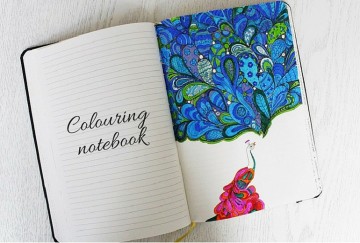
A necklace with a natural, textural surface can be paired with small objects that echo its ideas without matching too literally. A handmade notebook, a botanical print, or a ceramic dish creates a gift centred on observation and material. The best additions should support the necklace’s story rather than compete with it.
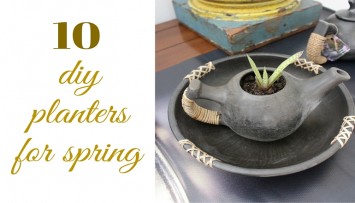
For someone who enjoys bringing nature indoors, a visit to a local plant shop can provide a complementary experience. This guide to Copenhagen plant shops is useful for finding greenery, pots, and accessories that share the same connection to organic form. A small plant and a wood-inspired pendant make a gentle pairing for a birthday, housewarming, or simply thoughtful surprise.
Other pairings can be more personal. A sketchbook suits someone who notices patterns and collects visual references. A museum membership gives the recipient more opportunities to explore art and design. A carefully chosen book about trees, architecture, or material culture can deepen the story behind the gift.
- Choose a pendant with visible grain or another surface that changes in the light.
- Match the metal tone to the jewellery the recipient already wears.
- Check the care instructions, especially if the piece contains wood or mixed materials.
- Include a short note explaining the connection to Danish craft and natural pattern.
- Pair the necklace with a small, useful object rather than an unrelated luxury item.
A small object with a lasting point of view
Pernille Snedker’s significance lies in the way she makes overlooked structures visible. Wood is no longer just a background material in her work; it becomes the subject. Its rings, marks, and variations are given the attention usually reserved for precious surfaces. That shift in perspective is powerful when applied to jewellery.
A necklace shaped by this philosophy would be beautiful because of its restraint and specificity. It would celebrate the material instead of disguising it, allowing the pendant to retain a sense of origin. The piece could reference Danish design without becoming predictable, and it could feel artistic without being too delicate for everyday life.
For anyone searching for a meaningful piece of Scandinavian jewellery, this is an appealing direction to explore. Whether the final necklace is made by a goldsmith, a woodworker, or a collaborative studio, the guiding principles remain clear: thoughtful materials, visible craftsmanship, and a form that invites repeated looking.
Explore Pernille Snedker’s work alongside independent Danish jewellery makers, and choose a necklace that feels connected to the wearer’s own interests. When paired with a personal note and a little context about its material, it becomes more than an accessory: it becomes a small, wearable reminder of nature, design, and careful attention.