












.png)
Danish botanical prints for the nature-loving giftee
A botanical print can bring the quiet character of a Nordic landscape into an everyday room. It may show a carefully labelled wildflower, a branch of beech leaves, or a richly coloured study of a plant found along the Danish coast. Unlike a bouquet, it lasts through every season and suits a recipient who notices small details.
Danish botanical art has a distinctive balance of accuracy and atmosphere. The best examples feel informed without being stiff, decorative without becoming overly sweet, and connected to the local landscape without requiring a room styled entirely in Scandinavian interiors. That makes a plant illustration an especially thoughtful present for a gardener, design lover, naturalist, or anyone who finds calm in green spaces.
The appeal also lies in flexibility. A small art print can sit on a desk, a calendar can accompany a new year, and a framed study can become a lasting part of a home. With the right subject, paper, and presentation, the gift feels personal rather than simply pretty.
What gives Danish botanical art its character
Danish botanical illustration is closely tied to observation. Leaves, stems, seed heads, and flowers are represented with enough precision to reveal their structure, yet the image often retains a gentle, airy quality. Pale backgrounds, restrained compositions, and natural colours allow the plant itself to remain the focus.
The country’s relationship with gardens and cultivated landscapes also shapes this visual tradition. A print might celebrate a familiar rose, a woodland fern, or a meadow plant rather than an exotic species. That sense of recognition can make the artwork feel especially meaningful to someone who has memories of summer houses, allotment gardens, forest walks, or the parks around Copenhagen.
There is also a pleasing connection between historic botanical collections and contemporary Danish design. The Flora Danica tradition, with its extensive documentation of Danish plants, provides an important cultural reference, while modern illustrators reinterpret nature through softer palettes, simplified forms, and playful layouts. The result is a broad range of artwork, from archival-looking plates to bold contemporary posters.
Choosing a print that feels personal
Start with the recipient’s relationship to nature rather than choosing a plant solely for its colour. Someone who grows herbs may appreciate a detailed study of thyme, sage, or dill. A keen walker might prefer a native woodland species, while a person drawn to coastal landscapes could enjoy sea buckthorn, beach grass, or a delicate shell-and-botanical composition.
Flower symbolism can add another layer, though it does not need to dominate the decision. A forget-me-not can suggest affection and remembrance, a poppy may evoke summer and freedom, and a wild strawberry can recall childhood paths and Nordic countryside. If the gift marks a new home, a flourishing plant or climbing vine may express growth without relying on an obvious message.
Scale matters just as much as subject. An A5 or A4 print is easy to frame and works well on a shelf, bedside table, or home office wall. Larger botanical posters make a stronger statement and can anchor a gallery wall, but they require more consideration about existing furniture and wall space. When uncertain, a smaller print is usually the safer choice because it can be moved around easily.
The intended room can guide the palette. Muted greens, ochres, and warm grey suit pared-back Nordic interiors. Deep blue, burgundy, or forest green can add richness to a neutral room. For a recipient with colourful taste, look for illustrations with saturated flowers or unexpected backgrounds rather than assuming botanical art must be quiet.
Paper, printing, and framing details
The physical quality of a botanical print changes how it feels in the hand. Archival or fine-art paper generally has a more substantial texture and helps subtle washes of colour appear nuanced. Smooth coated paper can create a crisp, poster-like finish, while recycled stock may offer a softer, slightly irregular surface that suits a handmade aesthetic.
Giclée printing is often used for art reproductions because it can retain fine linework and tonal variation. Offset printing may be a more affordable option for calendars and larger editions, particularly when the design uses flat colour and strong graphic shapes. Neither method automatically guarantees quality, so look for clear product photographs, paper weight, and information about inks or production.
Framing is worth planning before buying. A simple oak frame reinforces the warm, natural side of Danish design, while black wood gives an illustration a sharper, gallery-like appearance. White frames can make pale botanical drawings feel light and modern. If the recipient rents their home or changes displays often, an unframed print may be more practical and easier to post.
For a more complete present, pair the artwork with a small object that relates to its use rather than repeating the same motif. A botanical print could accompany a packet of heirloom seeds, a well-made notebook, a ceramic bud vase, or a book about local walks. The additional item should support the story of the gift without making the package feel crowded.
Formats and recipients at a glance
Different versions of botanical artwork suit different personalities, budgets, and occasions. The comparison below can help narrow the field before choosing a specific artist or plant.
| Gift format | Best for | Visual character | Practical consideration |
|---|---|---|---|
| Small art print | New homeowners, students, desk workers | Delicate and personal | Easy to frame, wrap, and relocate |
| Large botanical poster | Interior enthusiasts and collectors | Bold, room-defining | Check wall space and frame size first |
| Botanical calendar | Organised friends and design lovers | Seasonal and useful | Ideal for a birthday near the new year |
| Set of plant studies | Gardeners and detail-oriented recipients | Cohesive and curated | Works well as a gallery wall |
| Postcards or mini prints | Secret Santa gifts and casual occasions | Playful and affordable | Can be displayed without formal framing |
| Custom botanical illustration | Partners, close friends, and family | Sentimental and unique | Allow extra time for commissioning |
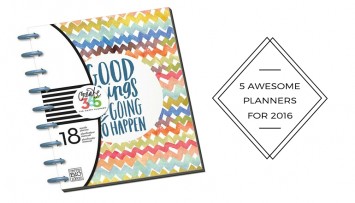
A calendar is particularly effective when the recipient enjoys seeing nature change over the year. Each month can offer a small visual pause, whether it features seasonal flowers, forest foliage, or a carefully composed Copenhagen garden scene. For more ideas related to functional Danish paper goods, this guide to Danish planner designs offers useful context around format, layout, and design character.
Finding a Danish connection
A locally relevant print does not have to depict a famous landmark. Look for plants associated with Denmark’s beaches, beech forests, meadows, allotments, and urban gardens. A familiar species can quietly remind the recipient of a place they love, such as a summer cottage, a favourite park, or a walking route outside the city.
Copenhagen adds its own perspective to botanical gifting. The city’s design shops, museum stores, florists, and independent makers often bring together practical paper goods and decorative art. A botanical poster bought in Copenhagen may feel connected to the city’s calm interiors and everyday appreciation of thoughtful objects, even when the illustration itself shows a rural plant.
Artist profiles and independent studios are especially appealing when the recipient values creative work with a story behind it. Check whether the illustrator works from field sketches, photographs, herbarium references, or imagined compositions. Information about the artist’s process can turn a lovely image into a conversation piece and make the gift feel more considered.
Production details can also reflect personal values. A locally printed edition, recycled packaging, responsibly sourced paper, or small-batch production may matter to an environmentally conscious recipient. It is better to choose one well-made print with a clear origin than several inexpensive decorations with little information about how they were produced.
Styling botanical prints at home
Botanical art does not need to be confined to a traditional gallery wall. A small framed study can lean against a stack of books on a shelf, sit beside a lamp, or soften a home office. Layering it with a ceramic object and a living plant creates depth while keeping the arrangement relaxed.
For a larger display, combine plant illustrations with related but varied images. A leaf study, an abstract landscape, and a small typographic print can sit together if they share a colour family or similar frame style. Identical frames create a more orderly effect; mixed frames feel collected over time. Leave enough space around each work so the delicate linework does not disappear into visual clutter.
A botanical calendar can function as both stationery and wall art. Choose a design with generous date boxes for someone who writes appointments by hand, or a more image-led format for a recipient who wants a beautiful monthly page. Once the year ends, selected pages may be trimmed and framed, giving the gift a second life.
Wrapping can echo the artwork without becoming overly themed. Kraft paper, cotton ribbon, a sprig of dried foliage, or a plain card in moss green creates a natural presentation. Avoid attaching fresh flowers or leaves directly to the package if they could stain the paper. A short note naming the plant or explaining why it reminded you of the recipient adds warmth.
Thoughtful ways to personalise the gift
The strongest botanical presents usually combine a visual choice with a small piece of knowledge. Include the common and Latin name of the plant, its flowering season, or the landscape where it grows. This is especially nice for someone who enjoys learning, gardening, or identifying wild species on walks.
For a person who prefers useful gifts, consider a print that doubles as a reference. A well-labelled herb illustration, seasonal garden chart, or seed-saving poster can be displayed and consulted regularly. A nature lover who already owns plenty of decorative objects may appreciate this practical dimension.
For someone with a strong interior style, select the artwork as carefully as you would choose a vase or lamp. Notice whether their home leans warm and rustic, light and minimal, colourful and eclectic, or dark and atmospheric. Botanical art can fit all of these settings, but the line quality and palette should support the room rather than compete with it.
A present for a man who enjoys plants, hiking, cooking, or design can be botanical without feeling predictable. Look for robust compositions, edible plants, forest species, or monochrome studies instead of delicate floral arrangements. The broader collection of gifts for him can also provide inspiration for pairing a print with something practical or experience-led.
A considered shortlist for gifting
- Choose a plant with a connection to the recipient’s garden, favourite landscape, cooking habits, or personal memories.
- Check the print dimensions, paper type, and frame compatibility before buying, especially for a larger wall piece.
- Prefer artists and printers who clearly explain their materials, edition size, and production process.
- Pair the artwork with a modest complementary item, such as seeds, a notebook, a vase, or a nature guide.
- Add a handwritten note with the plant’s name and the reason you selected it.
A Danish botanical print can be quiet, useful, decorative, or deeply sentimental depending on how it is chosen. Its lasting appeal comes from the meeting of nature and design: a real plant translated into line, colour, and paper, then given a place in someone’s everyday surroundings.
Browse independent Danish illustrators, museum shops, local design stores, and Copenhagen-based makers with the recipient in mind. When the subject, format, and story align, the finished gift becomes more than a picture of a plant; it becomes a small reminder of a landscape, a season, or a way of seeing the natural world.