













.png)
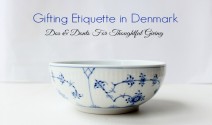
Danish porcelain egg cups for a beautiful breakfast basket
A breakfast gift basket can be wonderfully simple: good coffee, a jar of marmalade, fresh pastries, and something that makes the morning ritual feel personal. A porcelain egg cup adds that finishing touch. It is small enough to tuck into a basket, useful from the first day, and decorative enough to remain on the kitchen shelf between breakfasts.
Danish tableware has a particular talent for making everyday moments feel considered. Clean silhouettes, gentle colours, hand-painted details, and a practical relationship with the dining table are all part of the appeal. An egg cup may be a modest object, but it can carry plenty of personality when chosen with the recipient in mind.
For a housewarming, birthday, Easter hamper, wedding gift, or Copenhagen-inspired care package, Danish porcelain egg cups offer an easy way to bring Scandinavian style to the breakfast table. The right design can suit a minimalist kitchen, a colourful family home, or a collector who enjoys finding beautiful objects for ordinary use.
Why a small breakfast piece makes a thoughtful gift
An egg cup is one of those objects that people often appreciate more once they own one. Soft-boiled eggs need a stable place to rest, and a proper cup keeps the shell, spoon, and toast soldiers together. It turns a hurried breakfast into a small ceremony without making the occasion feel formal.
Its scale also makes it useful for gifting. A large serving bowl can be difficult to wrap and a complete dinnerware set may duplicate what someone already owns. One or two egg cups are easier to combine with edible treats, a linen napkin, or a handwritten recipe. They add a lasting element to a gift basket without overwhelming the other contents.
The object has an appealing sense of nostalgia, too. Many people remember egg cups from childhood breakfasts, family holidays, or visits to grandparents. A contemporary Danish version can bring back that feeling while fitting naturally into a modern kitchen. That balance between memory and current design is what makes this kind of present feel warm rather than predictable.
The Danish design details worth looking for
Danish porcelain is often associated with restrained decoration and a strong sense of proportion. Look for a neat footed base, a comfortable opening, and a shape that feels stable when holding the cup. The most successful designs are decorative without becoming fussy, allowing the egg cup to work with existing plates and bowls.
Colour can set the mood of the entire basket. White porcelain feels crisp and classic, while pale blue, muted green, soft yellow, or warm sand shades create a gentler Nordic palette. Blue-and-white patterns have a traditional appeal, especially when they echo the painted florals and coastal tones found in much Scandinavian ceramics.
Motifs can make the gift more personal. Small birds, flowers, stars, woodland figures, or abstract lines may suit someone who enjoys playful details. For a person who prefers a quiet interior, choose an unpatterned cup with a beautiful glaze or a subtle embossed surface. Vintage Danish porcelain can be especially charming, though it is worth checking for chips, hairline cracks, and signs of heavy wear before buying.
A design-led present can sit within a wider collection of ideas from the gift guide archive, where practical objects and personality-led discoveries belong together. The egg cup works particularly well when the rest of the basket reflects the same tone rather than competing with it.
Choosing between classic, playful, and modern styles
The recipient’s home is a useful starting point. A classic blue-and-white porcelain cup will usually blend into a traditional kitchen, while a graphic black-and-white design can suit a contemporary apartment. If you are buying for a family, cheerful colours or animal motifs may make breakfast more appealing to children without looking out of place when adults use the cups.
Consider whether the gift should be a pair or a single statement piece. Two matching cups are ideal for a couple, newlyweds, or someone who enjoys weekend breakfasts with a partner. A single cup can be more suitable for a solo coffee drinker, a student moving into a first home, or a collector who prefers to build a varied tableware set over time.
Material terminology is also worth noticing. Porcelain is smooth, fine, and often slightly translucent at the edges, while stoneware tends to be heavier and more rustic. Both can be attractive, but they create different impressions in a breakfast basket. Choose porcelain for an elegant, refined feel and stoneware for a more relaxed farmhouse or cabin mood.
A quick style guide for the gift basket
The best choice depends on the recipient’s habits as much as their decorating style. Someone who eats breakfast at a desk may appreciate a sturdy, easy-care cup, while a weekend host might enjoy an ornate pair that becomes part of a larger table setting. The guide below can help narrow the possibilities.
| Recipient or occasion | Egg cup style | Useful basket pairings | Overall feeling |
|---|---|---|---|
| New homeowner | Simple white or pale blue porcelain | Coffee, tea towels, marmalade | Calm and practical |
| Couple or newlywed | Matching pair with classic decoration | Local honey, two teaspoons, pastry mix | Shared and celebratory |
| Family with children | Bright colours or friendly motifs | Cocoa, toast cutters, fruit spread | Cheerful and playful |
| Design enthusiast | Sculptural shape or limited-edition pattern | Specialty coffee, artful napkin, small vase | Curated and contemporary |
| Vintage lover | Pre-loved Danish porcelain | Loose-leaf tea, recipe card, floral linen | Nostalgic and personal |
| Host or entertainer | Coordinated set of four or more | Brunch preserves, serving spoon, crackers | Generous and welcoming |
A thoughtful basket does not need to contain many items. One beautiful egg cup, a good preserve, and a packet of coffee can feel more intentional than a crowded collection of unrelated products. Leave room for the porcelain to be seen, especially if its pattern is one of the reasons you chose it.
What to place beside the porcelain
Edible additions should support the breakfast theme. Small jars of Danish honey, raspberry jam, lemon curd, or sea buckthorn preserve bring colour and flavour without taking up much space. Freshly roasted coffee, loose-leaf tea, cocoa, or a box of buttery biscuits can make the basket feel generous while remaining easy to use.
A linen tea towel or cloth napkin is another natural companion. Choose a neutral weave for a minimalist basket or a checked, striped, or floral textile if the egg cup has a plain finish. A small wooden spoon, butter knife, or handmade ceramic dish can add texture, but avoid adding so many accessories that the gift loses its clear breakfast identity.
For a Copenhagen-inspired version, include something connected to local creativity. A postcard from a Danish illustrator, a small print, or a note about a favourite bakery can give the basket a sense of place. A personality-led addition such as Danish zodiac calendars could work for someone who enjoys astrology, illustration, or design with a distinctly Nordic character.
The wrapping can be simple: a sturdy paper box, crinkle paper, and a ribbon in one colour drawn from the porcelain pattern. If the basket is being posted, wrap the egg cup individually in tissue and bubble wrap, then place it in the centre with padding on every side. A beautiful object loses its charm if it arrives chipped.
Practical details before you buy
Check the dimensions, especially if you are pairing the cup with a gift box or a pre-filled hamper. Egg cups vary from compact designs for small eggs to wider styles that can hold an egg with room for a spoon. A stable foot is important, as is a rim that feels smooth against the fingers. Product photographs can hide scale, so measurements are more reliable than appearance alone.
Care instructions should influence the choice. Some porcelain egg cups are dishwasher-safe and suitable for everyday use, while hand-painted or vintage pieces may need gentler cleaning. If the recipient values convenience, an easy-care modern design may be the kindest present. If they enjoy delicate tableware, the extra care may be part of the pleasure.
It is also worth considering the origin and condition of the piece. Danish-made, Danish-designed, and vintage Danish porcelain are related but different descriptions. Read the maker’s information carefully, particularly when buying from a marketplace. For pre-owned items, ask about crazing, repairs, fading, and whether the decoration remains bright.
Packaging can communicate the same care as the object itself. Fold a recipe card into the basket with a suggestion for soft-boiled eggs, rye bread, and smoked fish, or add a short note explaining why the colours or motif reminded you of the recipient. Such details turn a useful kitchen accessory into a personal gift.
A considered way to give everyday design
Danish porcelain egg cups are at their best when they are treated as part of a ritual rather than as a novelty. They invite the recipient to pause over breakfast, use a favourite spoon, open a special preserve, and enjoy an object that was chosen with attention. That makes them especially suitable for gifts centred on comfort, home, and slow weekends.
Choose the cup first, then build around its colour, pattern, and character. Add two or three breakfast favourites, protect the porcelain carefully, and let the basket breathe. With that approach, a small piece of Scandinavian tableware becomes the detail that gives the whole present its shape.
Browse thoughtfully designed gift ideas, choose a porcelain egg cup that feels unmistakably right for its recipient, and create a breakfast basket that brings Danish charm to the first meal of the day.