













.png)
Danish Porcelain Tea Sets With Hand-Painted Flora
A Danish porcelain tea set can turn an ordinary cup of tea into a small daily ritual. Fine white porcelain, delicate botanical painting and quietly balanced shapes create a gift that feels personal without becoming overly formal. For an Australian home, it can sit comfortably beside a modern ceramic collection, a linen tablecloth or a well-used teapot brought out on weekends.
The appeal lies in the meeting of Scandinavian restraint and botanical detail. Danish makers are known for porcelain that gives painted flowers room to breathe: a blue cornflower on a saucer, a climbing stem around a cup, or a highly detailed botanical specimen arranged with the precision of an old illustrated book. These pieces suit people who appreciate craft, gardens, design history and useful beauty.
A tea service can also be selected in stages. A pair of cups makes a thoughtful wedding or housewarming gift, while a complete service suits a milestone birthday, a collector or someone setting up a new home. Before buying, consider the painting technique, the age of the piece, its care instructions and whether it will be used every day or displayed as a small work of art.
| Style or collection | Flora character | Best suited to | Buying and care notes |
|---|---|---|---|
| Blue Fluted designs | Blue flowers, leaves and scrolling stems | Everyday Danish-style tea | Check for hand-painted details and use gentle washing |
| Flora Danica | Rich botanical specimens and gilded decoration | A significant gift or collection | Usually precious, formal and expensive |
| Vintage floral porcelain | Varied flowers, softer colours and period charm | Eclectic interiors and preloved gifting | Inspect for hairline cracks, worn gilding and repairs |
| Contemporary botanical sets | Simplified leaves, blossoms or painted accents | Modern Australian homes | Confirm dishwasher and microwave suitability |
| Mix-and-match pieces | Several patterns brought together carefully | Creative hosts and small collections | Keep one linking colour, shape or motif |
Why Danish Flora Motifs Feel So Special
Floral decoration has a long relationship with Danish porcelain. Rather than treating flowers as a simple border, painters often give each bloom a clear identity. Petals, veins, stems and leaves are rendered with enough detail to suggest a botanical plate, while the open porcelain surface keeps the overall effect light. This balance makes a floral tea cup decorative without looking cluttered.
The celebrated Flora Danica tradition is the most elaborate example. Its name refers to the extensive Danish botanical work published from the eighteenth century onwards, and the porcelain service drew on those illustrations. Original or later examples can feature carefully observed plants, painted captions and gilded edges. They are generally collector’s pieces rather than casual breakfast crockery, but their influence can be seen in many botanical porcelain designs.
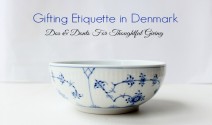
Blue-and-white patterns offer an easier entry point. Blue Fluted services, associated with Royal Copenhagen, use stylised flowers and foliage in a recognisable rhythm. A cup may look traditional at first glance, yet a small grouping on an Australian dining table can feel remarkably current beside pale timber, travertine or simple glassware.
Choosing A Set For An Australian Home
Think first about scale and frequency of use. A petite cup and saucer may suit espresso or a short, strong black tea, while a larger cup is more practical for English breakfast tea, herbal infusions or a generous Australian mug habit. If the recipient enjoys afternoon tea, include a small milk jug, sugar bowl or side plate rather than buying a very large service that may remain in a cupboard.
Climate and lifestyle are useful considerations in Australia. In a warm Sydney apartment, a light porcelain cup can feel more appropriate than a heavy, formal stoneware set, especially when tea is served with fruit or cake on a balcony. In Melbourne, where cool mornings invite a longer tea break, a pair of floral cups beside a reading chair can become a genuine everyday pleasure. For a home in Adelaide or regional South Australia, a set with garden-inspired flowers may echo a strong connection to outdoor entertaining and cultivated landscapes.
Storage matters in open-plan homes and smaller flats. Porcelain should be stacked with care, using thin felt or soft paper between valuable saucers. Avoid balancing tall piles where an accidental brush could cause chips. If the set is intended for regular use, choose pieces that are easy to reach rather than treating them as untouchable ornaments.
Understanding Hand-Painted And Transfer-Decorated Porcelain
The phrase “hand-painted” can describe several different processes, so it deserves a closer look. Some pieces are painted entirely by hand, with visible variations in brush pressure, line thickness and colour. Others begin with a transfer print and receive hand-applied details, such as blue outlines, coloured petals or gold accents. Both methods can be beautiful, but they carry different levels of labour, rarity and price.
Look at repeated pieces side by side. On genuinely hand-finished porcelain, a leaf may sit a little differently from one cup to the next, and the placement of a blossom may not be perfectly identical. That variation is part of the charm. Transfer patterns tend to repeat with great consistency, while hand-painted additions can still create small differences around the edges.
Marks on the underside help establish a piece’s maker, age and authenticity. Danish factories often used changing backstamps over different periods, so a reputable dealer should be able to explain what the mark indicates rather than relying on vague claims of rarity. Provenance, condition and completeness usually matter more than an impressive-sounding description.
Gilded rims need special attention. Gold decoration can soften with years of use, and aggressive washing may remove it faster. A gently worn service may have more atmosphere than a pristine reproduction, but chips through the rim, repaired handles and hairline cracks should be disclosed before purchase.
Building A Gift Around The Tea Ritual
A floral porcelain cup becomes more memorable when paired with a few compatible objects. Consider a small tin of loose-leaf tea, a linen tea towel, a silver teaspoon or a box of handmade biscuits. Choose flavours that complement the flowers and season: jasmine or green tea for a delicate blue motif, black tea with bergamot for a more traditional service, or a caffeine-free blend for someone who prefers evening rituals.
Stationery makes a natural companion because both tea and writing encourage a pause. A beautifully printed notebook can sit beside the teapot for tasting notes, garden observations or daily lists. For gift research beyond tableware, the books collection offers another route into thoughtful objects for readers and design-minded recipients.
For birthdays and housewarmings, two matching cups often feel more generous than one elaborate cup, as they invite the recipient to share the ritual. For a long-term collector, a single saucer or side plate in a scarce pattern may be exactly right. Ask discreetly about existing pieces when possible; matching a beloved service is more useful than introducing a competing design.
Gift wrapping should protect the porcelain while respecting its delicacy. Wrap every cup and saucer separately in tissue or bubble wrap, pad the gaps inside the box and label the package as fragile. In Australia, where parcels may travel from interstate warehouses or overseas sellers, robust packing is practical rather than excessive.
Buying From Denmark And Australia
Australian shoppers will find Danish porcelain through specialist antique dealers, Scandinavian design stores, auction houses, vintage marketplaces and selected department stores. Copenhagen flea markets and antique shops can be excellent sources, but buying locally often makes returns, inspection and shipping simpler. Online photographs should show the base mark, rim, handle, painted surface and any damage rather than relying on one styled image.
Imported purchases require a realistic view of the final cost. Australian GST can apply to many low-value imported goods sold by overseas businesses, and shipping, insurance and customs-related charges may be added before delivery. A service that appears inexpensive in Denmark can become far less attractive once international freight and breakage risk are included. Ask whether the seller is registered for Australian GST and whether the quoted price includes all charges.
Australian Consumer Law is relevant when buying from an Australian business. Products should match their description, be of acceptable quality and arrive in the condition promised. Vintage goods can show age-related wear, but a dealer should describe significant chips, cracks, staining or repairs accurately. When purchasing from a private seller or an overseas marketplace, practical remedies may be more limited, so photographs and written records are valuable.
For an antique or historically significant set, check whether any restrictions apply to materials, age or export arrangements before committing to a purchase. Most ordinary porcelain will not create unusual problems, yet an informed buyer should still retain invoices and provenance details. This is especially sensible when a set is expensive, insured or being sent across borders.
Caring For A Botanical Tea Service
Hand-painted porcelain rewards gentle handling. Wash valuable cups by hand in warm water with a mild detergent, using a soft sponge rather than an abrasive scourer. Do not soak pieces with gilded decoration for long periods, and avoid sudden temperature changes that can stress older porcelain. Let each item dry fully before stacking.
Dishwashers can be suitable for some contemporary sets, but the manufacturer’s instructions should decide the matter. Older Danish porcelain, painted details and gold rims are safer when washed by hand. Microwaves are generally unsuitable for pieces with metallic decoration, and hairline cracks should never be ignored because hot liquid can make existing weakness worse.
Tea staining on white porcelain can often be reduced with a gentle paste of bicarbonate of soda and water, tested first on an inconspicuous area. Avoid bleach, metal scourers and harsh powders. If a treasured piece breaks, retain every fragment and consult a porcelain restorer; a professional repair may preserve its visual value, even though the item may no longer be suitable for hot drinks.
Use the set often enough for it to become part of the household. A cup with a small variation in brushwork or a softened gold edge can carry the warmth of many gatherings. The purpose of fine porcelain is not simply to be protected from life, but to make an everyday pause feel considered.
Finding A Set With Lasting Meaning
The best choice is rarely the most expensive service. It is the one whose flowers, proportions and history fit the recipient. A gardener may love detailed botanical specimens, while a minimalist may prefer a single blue stem on a white ground. Someone moving into a first apartment may value two durable cups more than a complete formal service.
For Australian gift-givers, local context can guide the selection: a light floral pair for summer entertaining in Brisbane, a cosy breakfast set for a Hobart winter, or a vintage Danish pattern for a Melbourne collector who enjoys mixing old and new. A short note explaining the motif, maker or reason for choosing it adds emotional value without competing with the porcelain.
If the recipient enjoys organising as much as serving tea, a practical companion can extend the theme. A well-designed diary or planner can sit naturally beside a morning cup; the guide to Danish calendar designs offers inspiration for pairing functional paper goods with Scandinavian tableware.
Browse with patience, compare condition carefully and buy from sellers who describe their pieces honestly. A Danish porcelain tea set with botanical decoration can become a small heirloom, connecting a daily Australian tea break with Danish craft, gardens and design history. Choose a pair or a complete service, wrap it securely and give it a reason to be used from the very first cup.