












.png)
Experience Gifts: A Copenhagen Urban Beehive Visit
Some gifts are opened in a moment and then placed on a shelf. Others become stories people keep telling. A visit to an urban beehive in Copenhagen belongs to the second category: it combines travel, nature, local food, design, and the gentle surprise of discovering how much life exists above a city street.
For someone in Australia who already has enough things, this kind of experience makes a thoughtful present. It can suit a curious traveller, a design lover, a keen cook, or anyone who likes seeing how a city works behind the scenes. Copenhagen’s rooftop gardens, courtyards, allotments, and harbour neighbourhoods create an appealing setting for learning about bees and tasting honey close to where it was made.
Why An Urban Beehive Visit Makes A Memorable Gift
A guided beekeeping experience offers a much richer memory than simply buying a jar of honey. Participants may learn how a colony is organised, watch the beekeeper inspect frames, and discover why honey from different neighbourhoods can taste subtly different. Depending on the host and season, the visit may include a tasting, a short workshop, or an introduction to pollinator-friendly planting.
There is also a lovely sense of scale to the experience. Copenhagen is known for its bicycles, clean lines, harbour views, and carefully considered public spaces, yet bees are quietly carrying out their work above cafés, offices, and apartment buildings. A rooftop apiary makes the city feel more connected to its gardens and food than a standard sightseeing stop might.
This is particularly well suited to a couple, a parent and adult child, or a small group of friends. The activity gives people something to do together without the pressure of a formal dinner or a packed itinerary. It is sociable, sensory, and sufficiently unusual to feel like a genuine discovery.
What Happens During A Copenhagen Hive Experience
The exact format varies, so it is worth checking the booking details before purchasing. Some urban beekeepers offer scheduled tours, while others run private visits, seasonal honey tastings, or educational sessions connected with community gardens and sustainability projects. A responsible host should explain the safety rules clearly and provide protective clothing where required.
A typical visit begins with an introduction to the colony and the role of the beekeeper. Guests might see the queen’s laying pattern, learn how worker bees communicate, and hear why healthy hives need careful monitoring. The discussion may move from pollination and biodiversity to the practical realities of keeping bees in a dense European city.
The tasting at the end can be a highlight. Honey gathered in an urban environment is not automatically “city flavoured”; its character depends on the plants flowering nearby and the time of year. A tasting may reveal floral, herbal, citrus, or caramel notes. It is a small but memorable way to taste Copenhagen through its parks, balconies, and allotments.
Choosing The Right Season And Setting
Late spring and summer are usually the most active periods for bees, with longer daylight and plenty of flowering plants. This is also when Copenhagen is at its most inviting for walking and cycling between activities. Early autumn can offer a calmer atmosphere and a chance to hear about honey harvesting, winter preparation, and how colonies are protected during colder months.
Weather matters. Copenhagen can be bright and mild one minute, then windy or drizzly the next, even during the warmer part of the year. Comfortable closed shoes, a light waterproof layer, and clothing that covers the arms and legs are sensible choices. The beekeeper’s instructions should take priority, especially around fragrances, loose clothing, and movement near the hives.
A rooftop visit may involve stairs, narrow access points, or uneven surfaces, so accessibility should be confirmed in advance. It is also wise to allow extra time for reaching the venue. Copenhagen’s bicycle culture is famous, but visitors do not need to cycle everywhere; the Metro, buses, and trains make it easy to combine a hive visit with a museum, market, or neighbourhood walk.
Finding An Experience That Suits The Recipient
The best gift depends on the recipient’s idea of a good day. A first-time visitor may enjoy a gentle introduction with honey tasting and city views. Someone already interested in sustainability could prefer a longer session covering urban ecology, habitat creation, and the relationship between bees, flowers, and food production.
Families should look for age guidance and ask whether children can remain engaged throughout the visit. Young children may love the protective suits and the sight of the hives, while very young guests may find the sound and close proximity of bees overwhelming. A private or small-group booking can make the experience more relaxed for families and first-time visitors.
Food lovers may appreciate an event that combines honey with local bread, cheese, pastries, or seasonal produce. A creative person might enjoy a visit connected to a garden, design space, or maker-led workshop. When buying from Australia, check whether the voucher has a clear expiry period, whether it can be transferred, and how easily the recipient can choose an alternative date.
Pairing The Visit With A Thoughtful Gift
An experience voucher becomes more personal when it arrives with a small object that hints at the day ahead. A honey dipper, a beautifully made tea towel, a small jar, or a notebook for recording tasting notes can create a simple gift bundle without turning it into a bulky parcel. The physical item acts as a preview of the experience rather than competing with it.
For broader inspiration, the Danish gift guide is a useful place to explore Scandinavian ideas that feel practical, distinctive, and easy to give. Look for natural materials, restrained colour palettes, and objects that bring a little everyday pleasure into the recipient’s home.
Australian gift-givers will recognise the appeal of a present that does not need to be posted across the country. Sending a voucher by email is convenient when the recipient is already planning a European trip, and it avoids the complications of international postage, customs declarations, and Australia’s strict biosecurity rules. If a jar of honey is purchased in Denmark, enjoying it there is usually simpler than attempting to bring it home.
The timing can be made playful without sounding overdone. A card could describe it as “a date with Copenhagen’s busiest residents” or mention that the gift includes a little local sweetness. Keep the message warm and specific, especially if the recipient has talked about Copenhagen, gardening, food, or sustainable living.
Extending The Copenhagen Day
The hive visit works beautifully as one part of a slow city day. In Nørrebro, visitors can combine an urban nature experience with independent shops, bakeries, and colourful streets. Vesterbro offers cafés, galleries, and access to places such as the Meatpacking District. Around the harbour, a walk can add open views and a different perspective on how Copenhagen blends water, architecture, and public life.
A stop at a food market can turn the honey tasting into a wider edible journey. Danish pastries, rye bread, local cheeses, and seasonal vegetables provide plenty of contrasts to floral honey. The city’s café culture also makes it easy to pause between activities rather than rushing from one booking to the next.
For an Australian traveller, the pace may feel refreshingly compact. Copenhagen’s central areas are manageable without a car, and a day can include several small discoveries rather than one long drive. It is still important to allow for European opening hours, public holidays, and seasonal schedules. A venue that runs frequent events in June may have a much smaller programme in November.
If the recipient is visiting from Melbourne, Sydney, or Brisbane, the urban apiary may also create an interesting comparison with home. Australian cities have their own rooftop hives, community gardens, and pollinator projects, but local conditions differ greatly. A Melbourne garden, a humid Brisbane balcony, and a dry suburban setting near Adelaide each present different flowering patterns, temperatures, and beekeeping considerations.
Adding A Danish Design Detail
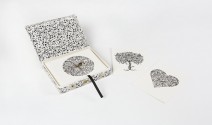
Copenhagen has a strong design identity, so a small piece of Danish stationery can complement the experience without becoming predictable. A notebook could be used for sketches of the hive, flavour notes from the tasting, or a record of flowers spotted during the day. A well-made pen is equally useful for travel and everyday work after the holiday.
The Danish stationery edit offers ideas for pens, notebooks, and writing sets that fit this kind of present. The combination feels especially suitable for someone who writes, illustrates, keeps a travel journal, or enjoys collecting small observations. It also gives the recipient something tangible to unwrap while the main gift remains an outing.
Stationery is easy to pack in hand luggage and generally avoids the restrictions associated with food, plants, or natural materials. That is useful for Australians returning home, where incoming goods are inspected carefully to protect agriculture and ecosystems. A notebook filled with memories can travel home without the concern that comes with carrying honeycomb, seeds, or untreated timber.
Choose one design detail rather than assembling a large hamper. A slim notebook in a warm yellow, soft green, or charcoal cover can echo the colours of bees, foliage, and Copenhagen rooftops. The restraint suits Scandinavian gifting and keeps the focus on the experience itself.
Making The Gift Feel Personal
The presentation matters because an urban beehive visit is more abstract than a wrapped object. Include the booking information, venue location, expected duration, clothing advice, and any restrictions in a neat envelope or digital message. If the recipient is travelling, add a note suggesting they leave space in the day for a walk and a café stop.
A personal message can connect the gift to a shared memory: a conversation about rooftop gardens, a favourite honey, or a previous visit to Denmark. Someone who has never been to Copenhagen may appreciate a short explanation of why the experience was chosen. The gift becomes more meaningful when it reflects the person rather than simply following a sustainability trend.
There is no need to make the occasion formal. This could be a birthday present, an anniversary surprise, a thank-you, or a creative way to mark a first trip overseas. It can even be given to someone who lives in Copenhagen as a reminder to explore their own city with fresh eyes.
Before paying, verify the operator’s current availability, cancellation policy, accessibility information, group size, and language options. Beekeeping is seasonal work, and dates can change with weather or colony welfare. A flexible voucher is often the safest choice, particularly when the gift is being purchased from Australia months ahead of a European holiday.
Choose a Copenhagen urban beehive visit for someone who values stories, local flavour, and meaningful time together. Add a small Danish notebook or another useful keepsake, then let the city provide the rest: flowering courtyards, bicycle lanes, harbour air, and the quiet hum of a colony working above the streets.