








.png)
A Danish Fairy Tale Storytelling Afternoon
Some gifts are opened, admired and then quietly absorbed into a busy household. Others create a pause that everyone remembers. A Danish fairy tale storytelling afternoon belongs to the second category: it is a small cultural escape built around spoken stories, warm drinks, imaginative details and the pleasure of being together without rushing from one activity to the next.
For an Australian recipient, this experience can feel both unusual and wonderfully familiar. It has the intimacy of a winter gathering in Melbourne, the relaxed hospitality of an afternoon in Brisbane or the charm of a creative event in Sydney. Whether arranged in person, gifted as a hosted online session or recreated at home, it offers a thoughtful alternative to another object on an already crowded shelf.
Why A Storytelling Afternoon Makes A Memorable Gift
An experience gift gives the recipient something to anticipate as well as something to enjoy. The invitation, chosen date and little preparation all become part of the present. A storytelling afternoon also suits several generations, making it a lovely option for a parent, grandparent, godparent, young family or close group of friends.
Danish fairy tales bring an especially rich atmosphere. They often carry a gentle strangeness: forests that feel alive, characters who are tested by vanity or kindness, and endings that may be hopeful without being overly neat. Hans Christian Andersen is the best-known name, yet the wider Nordic storytelling tradition includes legends, folktales and oral histories that can be interpreted in many ways.
The format is flexible enough to match the recipient. A child might enjoy a lively performance with puppets and props, while adults may prefer a literary reading paired with coffee, cake and a little conversation about the story’s themes. The gift feels considered because it can be shaped around age, temperament and attention span rather than chosen from a standard product category.
What The Afternoon Can Include
A well-planned session usually begins with a welcoming ritual. Set out a pot of coffee or tea, small plates, candles and comfortable cushions before the storyteller starts. In Denmark, the idea of hygge is often associated with warmth and togetherness, but it works best when treated as a mood rather than a shopping list. Soft lighting, unhurried conversation and a sense of care do most of the work.
The storytelling itself could include two or three tales rather than a long programme. A short Andersen story, a folk legend and a contemporary retelling create variety while leaving space for discussion. For younger listeners, a storyteller may use felt figures, illustrated cards, simple music or a wooden theatre. Adults might appreciate a performance that gives the language and rhythm of the original tale room to breathe.
Food can extend the theme without turning the gathering into a complicated Danish dinner. Cinnamon buns, rye crackers, butter biscuits, berry cordial and slices of apple cake are easy additions. An Australian host could pair them with local coffee beans, Tasmanian berries or a pot of herbal tea, creating a Copenhagen-inspired table with a distinctly local character.
Building A Copenhagen-Inspired Mood
The visual language of the afternoon should suggest Denmark without becoming a costume version of it. Pale wood, muted blue, warm cream, forest green and a touch of red can evoke Nordic interiors. A few paper stars, a small vase of branches or a simple linen cloth may be enough. The strongest styling is usually restrained, allowing the story to remain the centre of attention.
A handwritten invitation can make the experience feel personal before it begins. Include the title of the story, a short note about the setting and a gentle dress suggestion such as “come cosy”. For a long-distance gift, send the invitation by post with a small bookmark or illustrated card, then arrange a video call for the event.
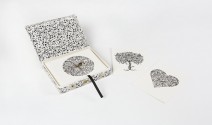
Stationery is particularly useful for this kind of present because it gives the recipient a place to record favourite lines, sketches or story ideas. A set of Johanna Basford notecards could accompany the invitation, especially for someone who enjoys colouring, drawing or sending thoughtful notes after the gathering.
Choosing The Right Experience Format
There is no single way to give this gift. The best format depends on where the recipient lives, whether a professional storyteller is available and how much preparation feels enjoyable. An in-person event creates the richest shared atmosphere, while an online session can connect family members in Australia with a Danish narrator, illustrator or cultural guide.
A self-hosted version can be just as meaningful when the details are intentional. Select the stories in advance, practise reading them aloud and prepare a small envelope of objects linked to the plot. A pine cone, blue ribbon, tiny key or paper crown can become a prompt for children and a conversation starter for adults.
| Format | Best For | What To Include | Planning Level |
|---|---|---|---|
| Live local performance | Families and groups | Tickets, themed refreshments and a keepsake | Low to medium |
| Hosted home gathering | Close friends or relatives | Printed stories, candles, food and props | Medium |
| Online Danish session | Long-distance or culturally curious recipients | Video link, mailed treats and a reading kit | Medium |
| Parent-and-child afternoon | Younger listeners | Short tales, craft activity and picture books | Medium |
| Self-guided story hamper | A recipient who enjoys quiet time | Book, tea, stationery and audio recording | Low |
For an Australian recipient, check time zones carefully if the storyteller is based in Denmark. A Copenhagen afternoon may fall late at night in Sydney or Melbourne, depending on daylight saving, while the difference can feel more manageable for Perth. A recorded story followed by a local brunch is another way to preserve the international connection without asking children to stay awake.
Adding Australian Details To A Danish Theme
The contrast between Denmark and Australia can become part of the charm. A winter storytelling afternoon in Copenhagen might suggest wool blankets and candlelight, while an Australian version could take place on a shaded verandah in Adelaide, beneath a ceiling fan in Brisbane or indoors after a cool change in Sydney. The aim is to borrow the feeling of a Nordic gathering while respecting the local season.
Australian food and craft details can sit comfortably beside Danish references. Serve lamingtons alongside cinnamon buns, use native flowers in a simple arrangement or add locally made honey to the tea tray. In winter, a Melbourne host might include hot chocolate and knitted socks; in summer, chilled berry drinks and a late-afternoon garden setting may work better than candles and heavy textiles.
The local gift market also offers useful options. Independent bookshops, ceramic studios, makers’ markets and small-batch food producers can supply the supporting pieces without making the gift feel generic. A locally printed art card, a hand-thrown cup from a Sydney studio or a Tasmanian chocolate bar can give the Copenhagen theme an Australian point of view.
Making The Story Personal
Personalisation does not require expensive extras. Choose a tale that reflects something about the recipient: a story about courage for someone entering a new stage of life, a humorous fable for a friend who enjoys playful gifts or a nature-filled legend for a keen gardener. Add a note explaining why that particular story was selected.
A family version can include a small “story passport” with space for each listener to write a favourite character, setting or lesson. Children may draw the forest, castle or sea creature, while adults can write down a line they want to remember. These simple prompts help the afternoon continue after the final page.
For a romantic gift, create a two-person reading with a shared menu and a soundtrack of quiet instrumental music. For a grandparent and grandchild, record the session with permission so the family has an audio memory to revisit. For a creative friend, include blank paper, coloured pencils and an invitation to design a new ending.
Presenting The Gift With Care
The gift can be revealed in stages. Begin with a small envelope containing the date and a single clue, followed by a parcel with the storybook, tea, biscuits and a candle. The final detail might be a printed schedule that says when the reading begins, when refreshments will be served and when everyone can talk about the tale.
If the experience is ticketed, place the booking information inside a modest gift box rather than handing over a plain email. Include practical details such as location, accessibility, duration, transport and whether children are welcome. In Australia, mention parking or public transport options clearly, particularly for recipients travelling across a large city.
A gift voucher can work well when the recipient’s schedule is difficult, but it benefits from a personal message and a defined theme. “Choose your storytelling afternoon” feels warmer than an anonymous voucher. You might also offer to host the food, organise the video call or accompany them to the performance, turning the gift into a promise of shared time.
Let The Story Continue
The afternoon does not have to end when the storyteller says goodbye. Send a follow-up note with a favourite quotation, a photograph of the table or a recipe for one of the treats. If the group created drawings or story passports, gather them into a small folder. These afterthoughts transform a pleasant event into a lasting memory.
For someone who loves Copenhagen, books, interiors or imaginative culture, this Danish fairy tale experience can become the beginning of a wider themed collection. Future gifts might include a Nordic picture book, a handmade cup, a small art print or a guided visit to a literary exhibition. Each item can connect back to the original afternoon rather than standing alone.
Choose one story, one setting and one thoughtful detail, then make the invitation feel like the first page of an adventure. A carefully hosted reading, a beautifully assembled hamper or an online meeting across continents can bring a little Danish magic into an Australian day. The most valuable part is the attention behind it: time set aside, voices gathered together and a story given room to be heard.