












.png)
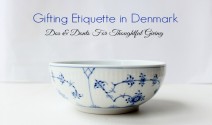
A thoughtful gift for the home baker: Danish stoneware bread cloches
A good gift for a baker should feel useful without becoming another gadget pushed to the back of a kitchen cupboard. A Danish stoneware bread cloche meets that test beautifully. It is a practical baking tool, a serving piece, and a small piece of sculptural kitchen design that can stay on display between loaves.
The cloche is shaped as a covered baking vessel, usually with a shallow base and a domed lid. When dough is baked inside it, the moisture released from the loaf is held close to the crust during the first part of the bake. That creates the steamy environment that helps bread rise, develop a crisp crust, and achieve a more professional finish at home.
For anyone who enjoys sourdough, no-knead bread, focaccia variations, or slow weekend baking, this kind of stoneware cookware can make the ritual feel more special. The Danish connection brings another appeal: simple forms, tactile surfaces, and an understated palette that works as comfortably on an open shelf as it does on a breakfast table.
Why a bread cloche makes a meaningful present
Many kitchen gifts are chosen for novelty, but a bread cloche earns its place through repeated use. A baker can reach for it on a quiet Sunday morning, when preparing bread for a dinner with friends, or when experimenting with a new flour. It supports a creative habit rather than simply adding another branded accessory to the worktop.
The covered design is especially helpful for home bakers who do not own a steam-injection oven. Steam keeps the outer surface of the dough flexible during the early stage of baking, allowing the loaf to expand before the crust sets. A cloche offers a contained way to create that environment, with less fuss than adding trays of boiling water or spraying the oven.
It is also a gift with a satisfying sense of occasion. Opening the lid after baking reveals the loaf at its most appealing: deeply coloured, fragrant, and marked by the baker’s scoring. Once cooled, the vessel can move from oven to table, making the bread feel like the centrepiece of a meal rather than something sliced quickly beside the sink.
The appeal of Danish stoneware
Danish ceramics often balance utility with visual restraint. A bread cloche may have a rounded profile, a softly uneven glaze, or an unglazed foot that reveals the natural colour of the clay. These details give the piece character without making it difficult to combine with existing plates, linen napkins, wooden boards, or stainless-steel kitchen tools.
Stoneware is valued for its strength and heat retention. Fired at a high temperature, it is generally denser and more durable than earthenware, which makes it well suited to oven cooking when the maker specifies that use. The weight can also be reassuring: a substantial lid stays in place, while the thick walls help create an even baking environment.
The handmade quality matters too. A studio-made cloche may show slight differences in shape, glaze pooling, or handle placement. These are not defects in the same way a crack or unstable base would be. They are evidence that the piece has been formed and finished by hand, which gives the gift a warmer, less mass-produced feel.
If the recipient appreciates considered everyday objects, a cloche can sit alongside other design-led presents. A reusable bottle, for example, can complement the baker’s daily routine; this Danish stainless-steel bottle is useful for carrying water to a bakery class, market visit, or long walk after a morning of baking.
What to look for when choosing one
The size of the cloche should match the baker’s usual loaf. A compact vessel is ideal for smaller boules and kitchens with limited storage, while a larger dome gives dough more room to rise and suits generous family-sized loaves. Check the internal dimensions rather than relying on a vague description such as “standard” or “large”.
The shape of the base is important. A flat or gently raised surface can make it easier to place shaped dough, while a shallow rim may help the lid sit securely. Some designs are intended specifically for round loaves, so a baker who prefers batards or long sandwich loaves may need a more elongated model.
A comfortable lid handle is worth examining closely. It should be easy to grip with a dry oven mitt and should not become an awkward point of balance when the lid is lifted. The base also needs to be stable on a work surface and easy to hold when transferring a hot loaf.
Look for clear information about oven use, maximum temperatures, cleaning, and thermal shock. Stoneware should not usually be moved directly from a cold environment into a very hot oven, or placed on a cold surface when scorching hot. A thoughtful gift includes the care instructions, especially when the object has been made by a small ceramic studio.
| Feature | Why it matters | What to check |
|---|---|---|
| Interior capacity | Determines the size of loaf the baker can make | Compare internal measurements with their usual dough weight |
| Lid shape | Helps retain steam and allows room for oven spring | Look for enough headspace above the dough |
| Base design | Supports shaping, scoring, and safe handling | Choose a stable base with a practical rim |
| Glaze and surface | Affects appearance, cleaning, and tactile appeal | Check whether the interior is glazed and food-safe |
| Heat guidance | Protects the stoneware from cracking | Read the maker’s oven and thermal-shock instructions |
| Weight | Influences everyday usability and storage | Consider whether the recipient can lift it comfortably |
Making the gift feel personal
The best way to give a bread cloche is to connect it to the recipient’s existing habits. If they already bake sourdough, add a linen bread bag, a dough scraper, or a packet of flour from a local mill. If they are just beginning, include a simple banneton, a scoring blade with a protective cover, or a handwritten recipe for a reliable crusty loaf.
A small food element can make the presentation feel generous without overwhelming the main gift. Danish rye flour, sea salt, a jar of honey, or a locally made jam can turn the cloche into a breakfast-themed parcel. Choose ingredients that will be used rather than decorative extras with unclear shelf life.
Packaging deserves attention because stoneware is heavy and vulnerable to impact. Wrap the lid and base separately in thick paper or fabric, fill empty space with crumpled kraft paper, and place a note inside the parcel explaining that the piece should be handled gently until its care instructions have been read. A cotton tea towel can serve as both wrapping and a useful part of the gift.
For a recipient who prefers experiences, the cloche can become part of a wider Copenhagen-inspired present. Pair it with a bakery walk, a bread-making workshop, or an outing involving design and food. A Danish boat trip could provide an enjoyable day out before returning home to bake and share something together.
How to use a cloche for better bread
The exact method depends on the vessel and the manufacturer’s instructions, but many bakers preheat the cloche with the oven. The shaped dough is then transferred carefully to the hot base, scored, and covered with the dome. The lid stays on during the early bake, when the dough benefits most from a humid environment.
After the loaf has expanded and the crust has begun to set, the lid can often be removed so the bread can brown. Timing varies with the recipe, dough size, oven temperature, and thickness of the stoneware. A baker should follow the recipe’s guidance while allowing room for small adjustments after the first few loaves.
Handling is part of the learning curve. Hot stoneware needs a heatproof surface and good oven mitts, and the lid should be lifted away from the face to avoid a rush of steam. Once the bread is finished, the cloche should cool naturally before washing or wiping it down.
Many bread cloches are best cleaned by hand with warm water and a soft brush or sponge. Strong detergent may affect an unglazed or porous surface, and soaking a large ceramic piece can be inconvenient. Crumbs should be removed once the vessel is cool, and any flour residue should be dealt with before it becomes baked on.
Choosing a style that suits the recipient
A minimalist baker may appreciate a pale cream, chalky white, or warm grey glaze. These colours sit easily in a Nordic kitchen and allow the loaf itself to provide the visual drama. A deeper brown, blue, or green glaze may suit someone who enjoys expressive ceramics and likes kitchen objects with a stronger presence.
Texture can be just as important as colour. A smooth glazed dome feels refined and is easy to wipe clean, while a lightly speckled surface or visible clay body adds a handmade, earthy quality. If the recipient has open shelving, consider how the cloche will look when stored there rather than focusing only on how it performs inside the oven.
The ideal gift does not need to match every other object in the kitchen. It should, however, feel compatible with the recipient’s way of living. Someone with a small Copenhagen apartment may value a compact, dual-purpose design that can serve bread at the table. A keen baker with a larger kitchen may prefer a generous model that can handle ambitious loaves.
Pay attention to the maker’s story where available. A Danish studio, local ceramicist, or brand with transparent production information can add meaning to the purchase. Information about the clay, firing process, glaze ingredients, and repair or replacement policy helps the recipient understand what makes the object distinctive.
A considered gift for slow weekends
A Danish stoneware bread cloche is a particularly lovely choice for someone who finds pleasure in processes: mixing dough, waiting for fermentation, shaping a loaf, and sharing the result. It encourages a slower rhythm while remaining genuinely practical. The gift is used in the kitchen, admired at the table, and remembered through the meals it helps create.
To make the present complete, combine the cloche with one or two carefully chosen additions rather than a large collection of unrelated baking tools:
- A locally milled flour or Danish rye blend for experimenting with flavour and texture
- A linen tea towel or bread bag for cooling and storing the finished loaf
- A sturdy dough scraper for dividing and shaping sticky dough
- A handwritten recipe with notes about fermentation, baking time, and serving ideas
- A bakery visit or bread-making class to turn the object into part of a shared experience
The most successful gift will reflect the baker’s level of confidence and available space. A beginner may appreciate clear care instructions and an uncomplicated recipe, while an experienced sourdough baker may value generous capacity and a distinctive handmade finish. In both cases, the cloche offers something lasting: a useful object that supports creativity and brings a little Danish design sensibility into everyday baking.
Choose a well-made piece, wrap it securely, and include something that invites the first bake. Then let the recipient make it their own through flour, heat, patience, and the unmistakable pleasure of breaking into a freshly baked loaf.