











.png)
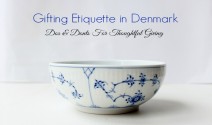
Tobias Mohr: A Danish Glassblower Shaping Minimalist Bowls
Tobias Mohr works at a small furnace on the outskirts of Copenhagen, pulling gather after gather of molten silica into shapes that feel almost weightless. His minimalist bowls have become quiet ambassadors of a particular Danish sensibility, one that prizes restraint, transparency, and the way light can be held without being captured. The pieces arrive in homes across Europe, Japan, and increasingly Australia, where collectors in Sydney, Melbourne, and Brisbane are discovering how a single hand-blown vessel can reshape a kitchen shelf or a wedding gift.
For gift-givers searching beyond mass-produced ceramics, Mohr's work offers something rare: a piece of functional art that does not shout. The bowls sit comfortably beside a linen tablecloth in a Queenslander in Paddington or a sleek apartment in Surry Hills, and they travel well across hemispheres. Australian readers may already be familiar with the broader Nordic design wave, from Hay furniture to Menu lighting, but the glassblowing tradition carries its own weight, one measured in breath and timing.
The Artist Behind the Glass
Mohr trained at the Royal Danish Academy's glass program before spending several years assisting senior craftspeople in the Småland region of Sweden, an area long associated with the legendary glassworks of Kosta Boda. When he returned to Denmark, he chose to set up an independent studio rather than join an industrial brand, a decision that reflects a growing movement of younger glassmakers who value slow production. His studio runs on a single furnace, with a team of three, and produces fewer than 800 pieces each year.
The artist's background matters because it explains the precision in his minimalist bowls. Every curve has been rehearsed a thousand times, and yet no two are identical. Collectors who appreciate craft understand this contradiction: handmade objects are most valuable precisely because they cannot be perfectly replicated. In a market flooded with 3D-printed ceramics and machine-blown glass, this is a quiet rebellion.
Mohr has also become a familiar face on the Copenhagen creative circuit, often showing work alongside ceramicists and textile designers in shared warehouse exhibitions. The aesthetic he returns to again and again is unembellished: no applied colour, no engraving, no gold leaf. Just glass, light, and a thin lip that catches the morning sun.
From Furnace to Form
The process begins with a recipe of silica sand, soda ash, and limestone, melted at temperatures above 1100 degrees. Mohr prefers a slightly greenish clear glass sourced from a Swedish supplier, partly for its colour and partly for its working properties. A gather of molten glass is collected on the end of a blowpipe, shaped with wooden blocks and jacks, and blown while the artisan turns the pipe in continuous motion. The bowl form emerges from a single breath.
This kind of discipline recalls the methodical thinking explored in writing on seven habits of business, where the second habit, beginning with the end in mind, is often applied to creative practice. Mohr knows exactly what shape he wants before he blows, and that mental image governs every micro-movement. There is no room for improvisation, only refinement.
After blowing, each piece is transferred to a glory hole for reheating, then placed in an annealer, a temperature-controlled kiln that allows the glass to cool slowly over twenty hours. Skipping this step would cause the bowl to crack within days. The patience of the annealer is what makes the work last decades, and it is the difference between a souvenir and an heirloom.
The Language of Minimalist Bowls
Mohr's vocabulary of forms is unusually tight. He works in three principal shapes: a low, wide serving dish; a medium nest with a soft rolled rim; and a tall, narrow footed bowl inspired by apothecary vessels. Each silhouette is designed to perform a specific role at the table or on a shelf, but the artist is fond of saying that the buyer will find their own use. He has seen his bowls used as ring dishes, citrus holders, and even floating candle trays.
Colour is reserved and deliberate. The clear glass carries a faint botanical tint, recalling elderflower or cucumber. A small series is made in a soft smoke grey, and once a year Mohr releases a limited run in amber, drawn from a single Czech pigment batch. The amber pieces, usually only twenty in number, sell within hours of release and frequently travel to Australia through Sydney-based design importers.
The minimalist bowls do not try to mimic the heavy Murano tradition or the chunky Swedish country style. They are leaner, more architectural, and they reward close looking. Many owners report that the bowls look different every hour of the day as the light shifts, a quality that has helped them find a devoted audience in sun-drenched Australian homes.
Why Australians Are Falling for Scandinavian Glass
Australia's appetite for Scandinavian design has been building for two decades, supported by local retailers, design fairs in Melbourne such as DENFAIR, and a steady stream of magazines and podcasts. Glass, however, has lagged behind furniture and textiles in the local conversation, partly because the cost of shipping fragile goods across the equator has historically been prohibitive. That barrier is finally lowering, with couriers offering better insurance options and a handful of Australian galleries now stocking Nordic glass directly.
Australian consumers are also well used to paying a premium for handmade goods, from local pottery studios in Fremantle to Aboriginal art centres in the Northern Territory. The price point of a Mohr bowl, generally between 280 and 480 Australian dollars depending on the series, fits comfortably into the gift market for milestone occasions: thirtieth birthdays, engagement parties, and the increasingly popular summer Christmas gatherings held in December.
Customs and biosecurity rules play a role too. Glass is an inert material with no organic content, so it generally clears Australian Border Force inspections without issue, unlike wooden serving boards that may require fumigation certificates. Buyers can order with confidence, provided the seller includes a proper commercial invoice.
Choosing a Bowl for Your Home or as a Gift
The collection rewards a slow approach. Buyers often ask whether to start with the serving dish, which reads as a centrepiece, or the smaller nest, which is more versatile. Below is a quick reference for the three core forms Mohr produces.
| Shape | Best For | Size (cm) | Approx. AUD Price | Gift Occasion |
|---|---|---|---|---|
| Low Serving Dish | Fruit, bread, olives | 28 × 6 | 320 | Housewarming |
| Rolled-Rim Nest | Jewellery, nuts, dips | 14 × 5 | 220 | Birthday |
| Footed Apothecary | Florals, candles, display | 18 × 14 | 460 | Wedding |
If the recipient already owns Scandinavian glass, the footed apothecary makes a striking contrast. For someone setting up their first home, the rolled-rim nest is forgiving and useful in every room. Parents of newborns often appreciate a small nest as a place to keep tiny keepsakes, a tradition that has become popular in Melbourne's inner north.
For readers who enjoy pairing glass with other sensory objects, a Mohr bowl sits beautifully alongside the kind of acoustic gifts covered in gifts for the musician Danish tuning forks and kalimbas, where the same care for tone and material carries through. There is a shared respect for objects that respond to their environment.
Styling Minimalist Glass Across Australian Interiors
Australian interiors tend to lean bright, with white walls, pale timbers, and generous openings to courtyards and decks. Mohr's clear glass thrives in this context because it borrows the colour of whatever is behind it: a stack of art books, a sprig of eucalyptus, the blue of a pool glimpsed through sliding doors. A single bowl on a stone bench in a Bondi kitchen can do the work of a small sculpture.
In heritage homes, where Federation-era details sit alongside contemporary furniture, the bowls act as a quiet counterpoint. Their modern silhouette softens ornate cornices, and their transparency keeps the eye moving. Stylists working on editorial shoots in Sydney and Adelaide have begun requesting specific shapes for table settings, particularly the low serving dish, which photographs well from above.
For outdoor entertaining, glass is more practical than many people expect. The bowls hold their temperature well, and the weighted base prevents tipping in coastal breezes. Just remember to bring them inside at the end of the evening, as sudden temperature changes from air-conditioning can stress the material. Pairing a bowl with native foliage, like a single banksia stem or a wattle sprig, creates a distinctly Australian still life.
Caring for Hand-Blown Glass
Mohr's bowls are surprisingly tough, but they are not indestructible. They are dishwasher safe on the top rack, though handwashing with a soft cloth and mild detergent will preserve the clarity of the surface for longer. Avoid abrasive sponges, which can create micro-scratches that dull the glass over time.
Stacking is not recommended. The rolled rims, beautiful as they are, are the most vulnerable point on any piece. A simple felt liner in a cupboard, or a dedicated shelf, will keep the bowls safe for years. If a piece does chip, a local glass repairer in most Australian capitals can often grind the imperfection smooth, though collectors usually prefer to keep such marks as evidence of a long life.
Sunlight is generally a friend, but prolonged exposure to direct UV can subtly shift the faint tint of the clear glass over decades. For everyday use, this is nothing to worry about. For pieces displayed in a north-facing window in Brisbane or Perth, a small rotation every few months will keep the colour even. The studio includes a small printed care card with every order, written in both Danish and English, a small touch that reflects the brand's wider respect for the people who will live with the work.
Browse the full range through Australian stockists or place a direct order via the studio's website. Pair a bowl with a thoughtful note, and you have a gift that will outlast trends, one quiet, luminous reminder of the maker's breath held forever in glass. For more inspiration on presents that lean toward the considered and personal, the gifts for him section collects other ideas with the same Danish sensibility.