












.png)
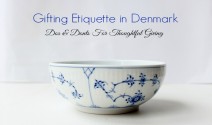
Danish memory games with Nordic wildlife illustrations
A memory game can look modest in a gift bag, then become the most replayed present on the coffee table. Danish editions featuring Nordic wildlife are especially appealing: familiar matching rules meet images of foxes, owls, deer, seals and Arctic birds, creating a small window into northern landscapes. For children, the appeal is immediate; for adults, the artwork and design make it display-worthy rather than disposable.
For Australian gift-givers, the choice involves more than a charming animal picture. Box size, age grading, card durability and shipping can determine whether a game works for a four-year-old, a travel bag or a family shelf. The versions worth seeking combine clear illustrations, balanced difficulty and thoughtful production, while keeping in mind that “Scandinavian” and “Nordic” are used loosely by retailers and do not always describe the same region.
Why Nordic animals make memorable cards
Nordic wildlife gives the traditional flip-and-match format a strong visual identity. Animals such as the red fox, mountain hare, roe deer, wild boar and brown bear are recognisable without labels, while seabirds and marine mammals add variety. A wildlife set can also mirror the northern seasons through its palette: snowy ground, lichen green, deep water, autumn grass and muted twilight. That atmosphere is usually more expressive than a mass-produced set of generic objects.
Good illustrations are doing more than decorating the cards. A young player might first spot the white tail tip of a fox, the antlers of a deer or the bright beak of a puffin; an older player notices posture, habitat and subtle colour changes. These visual clues create several routes to recall, so repeated rounds become a test of attention rather than a matter of memorising positions. The strongest sets also keep each pair identifiable without making every pair obvious at a glance.
There is a useful geographic lesson in checking what the animals represent. Lynx and bears are associated with larger northern forests, reindeer with northern Scandinavia and the Arctic, and puffins with suitable coastal breeding cliffs. A card labelled “Nordic” may still combine species from Denmark, Sweden, Norway, Finland, Iceland, Greenland and the Faroe Islands. Treat the artwork as an illustrated journey rather than a field guide, and use a wildlife book if exact geography matters to the recipient.
Choosing a game for the people receiving it
Start with the youngest player rather than the packaging. A compact box of 24 cards creates 12 pairs and suits a first matching game, while 48- or 60-card versions offer a longer challenge. The number of pairs matters less than whether children can turn cards quickly, recognise the artwork and recover from mistakes without an adult taking over. Check the maker’s age guidance, especially for children under three.
Preschoolers benefit from large, distinct pictures and simple rules. Older children can manage smaller images, similar species and forests of distractions. Adults often prefer fewer, better-made pieces, particularly when the game will sit on a shelf with good stationery and other design objects. A single game can bridge ages if the artwork holds up to close inspection and the small cards are not easily swallowed.
Think about the setting as well. A flat, boxed set works for a home table, whereas a card game travels more easily in cabin luggage or a backpack. For grandparents in Melbourne, Sydney, Brisbane or a regional town, choose simple rules and a box that opens without spilling cards. For an active child, a durable edition with rounded corners may be worth paying more for than a delicate paper version.
Copenhagen design adds another layer
Danish children’s publishing and toy design have long treated play as part of visual culture, and familiar names such as Forlaget Bolden and Carlsen appear alongside newer independent makers. Their catalogues can contain matching games, activity books and illustrated card sets in restrained colours and friendly forms. This design context explains why a Danish wildlife game can feel complete: typography, packaging, animal drawing and game mechanics share the same mood.
A visit to the Danish capital adds another way to understand that sensibility. Visitors who want to connect the objects with the city’s creative culture can use this Copenhagen design museums guide as a starting point for exhibitions, shops and design references. It also helps separate enduring Danish design principles from temporary tourist trends, giving a purchased game more meaning as a keepsake from the region.
For Copenhagen residents, the Danish brands are not merely imported novelties. A well-made memory game can join a bookshelf of children’s books, a wall of art prints and small objects chosen for everyday use. For visitors, it is a compact gift that carries the atmosphere of the city without needing fragile ceramics or extra luggage. For Australian online shoppers, the same sense of place can justify looking beyond mass-market options.
Reading the illustrations beyond the animal
Nordic animal games tend to fall into two broad visual styles. One uses clean, rounded shapes and flat colour, giving young children an immediate reading of each creature. The other adopts a more painterly approach, with textured gouache, watercolour or print-like marks that make every card feel like a small art object. Both work, but the second often rewards older players and looks especially good once the box is opened.
The species list can reveal how thoughtfully a set was assembled. A woodland group might include badger, squirrel and hedgehog; a northern coastal group might feature eider, guillemot, seal and whale. Different collections lean toward birds, while others emphasise mammals, and some include eggs, fish, insects or plants as secondary images. Such variety makes the game useful for teaching vocabulary and comparing body shapes, although the artist’s stylisation may not match scientific illustration.
Curious buyers often discover that a memorable game came through a broader search for unusual Danish gifts. The Orange Gift Bag’s Believe It or Not category is a useful place to follow that trail, with unexpected finds that suit people who prefer gifts with a story. For a wildlife memory game, the strongest story is one supported by the cards themselves: animals that belong plausibly in northern habitats, drawn with enough personality to remain distinct when the second card is revealed.
Buying well from Australia
The easiest place to start is an Australian board-game retailer, online specialist or mainstream toy shop. Specialists around Sydney, Melbourne and Brisbane carry more European imports than general stores, while national chains and marketplaces provide a faster fallback. Compare the physical size of the box, the number of cards and the return policy rather than choosing solely by a photograph. Buying local stock also makes a replacement easier if a child loses a card before the game is opened.
Toy safety deserves attention, particularly with direct purchases from Europe. Australian children’s products sold here must comply with mandatory safety standards based on the AS/NZS ISO 8124 series, including requirements covering labelling, small parts and particular material risks. A European conformity mark does not replace Australian compliance. For purchases from an Australian business, the Australian Consumer Law provides guarantees about goods being acceptable, safe and fit for their disclosed purpose; enforcement can be more complicated against a seller located overseas.
Budget for border charges as well as the sticker price. Since July 2025, 10% GST has generally applied to low-value goods worth less than AUD 1,000 imported directly from overseas, and larger consignments may attract customs charges. Some international shops include duties in the displayed total, while others collect them later. A local price may look higher but can be cheaper after GST, freight and exchange-rate movement are counted. Use a secure card, check the total delivery timeframe, and keep the receipt for a warranty claim.
Why the theme travels well down under
Australia has its own vivid relationship with wildlife, so Nordic creatures bring a useful sense of comparison. A child can match an owl and a raven, then notice the magpie, cockatoo, kookaburra or wombat outside. Those comparisons need not turn one continent into a rival of another; they simply open a conversation about habitats, climates and animal behaviour. The strong outlines of Nordic species make them easy to spot beside familiar Australian birds on a verandah or in a park.
Outdoor family life gives the game extra uses. Australia’s parks, camping trips, long drives and space around suburban homes make a pocket-sized matching set a useful companion for waiting out weather or playing after dark. Nordic forests, coasts and winter scenes also contrast pleasantly with the Australian summer when the game is given at Christmas. Used alongside a field guide, sketching paper and coloured pencils, it can turn an ordinary afternoon into quiet observation rather than screen time.
The design also suits common Australian gifting habits. Adults often buy for several generations at once: a birthday present for a child may also need to withstand being handled by older siblings or borrowed by grandparents. Choose sturdy cards, a secure box and artwork that avoids gender stereotypes. An illustrated set can then sit comfortably among children’s books in a family room while still feeling collectible enough for a design-conscious recipient.
Give a little Nordic wild
The best Danish wildlife memory game balances three qualities: clear animal portraits, satisfying matching difficulty and production that survives repeat use. For a preschooler, prioritise generous artwork and simple rules. For an older child, look for subtler species and more pairs. For an adult or collector, the drawing style, designer, publisher and box design may matter as much as the gameplay. The animal theme works best when every card feels deliberately illustrated rather than filled from a clip-art set.
Once those features are clear, choose the purchasing route that protects both budget and enjoyment. A local Australian stockist offers simpler warranty handling and avoids unexpected border charges, while an overseas seller may provide a rarer edition. Check the card count, age label, language, dimensions and replacement policy. In a 24-card set, “24 animals” normally means 12 matching pairs, so this detail can prevent an accidental purchase that is too small or too large.
Bring a Danish wildlife memory game into the next gift you choose for a child, grandchild or friend. Look for northern animals that feel recognisable and alive, then select a format suited to the recipient’s table, attention span and play habits. With its mix of matching fun, Nordic atmosphere and hand-drawn character, it is a present designed to be opened, learned and reached for again.