












.png)
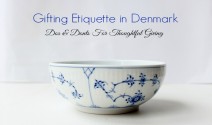
Danish paper lanterns with hand-painted floral motifs
A paper lantern is equal parts lamp, sculpture and atmosphere. Soft light passes through folded or pleated paper, while painted flowers turn the shade into a miniature botanical artwork. Danish paper lanterns with hand-painted floral motifs combine a gentle Nordic mood with decorative detail, making them appealing for homes, gardens and intimate gathering places.
From Copenhagen, these lanterns feel particularly at home beside pale walls, timber furniture and simple ceramics. Their appeal lies in visible craft: uneven brushstrokes, quietly varied colours and folds that catch the light. For Australian readers, they offer a fresh alternative to mass-produced pendant shades, especially when shopping for a housewarming, birthday or thoughtful home gift.
Light shaped by paper and paint
The classic Danish paper-lantern silhouette is often round, with a ribbed frame that expands the shade into a sphere or bell. Daylight reveals the paper’s texture and any translucent botanical painting. After dark, the same decoration becomes softer, with branches and petals appearing as layered shadows around the glowing interior.
This quality makes the lantern an atmospheric lamp rather than a strong task light. It works beautifully above a dining table, reading corner or bedside cabinet, where its diffused glow creates a relaxed focal point. The Danish association with hygge is relevant here, although the lamp does more than decorate a room: its warm, low-glare illumination changes throughout the evening as daylight fades.
Reading the botanical details
Floral designs range from loose watercolour washes to deliberate outlines inspired by herbarium drawings. Daisies, bellflowers, tulips and trailing leaves are common choices, but skilled makers may work from local stems rather than repeat conventional patterns. Look for leaves curling around the lower edge or a single bloom placed slightly off-centre, details that suggest the shade was painted by hand.
Variation is a virtue, yet the composition still needs balance. A lantern covered densely from top to bottom can feel busy, while an isolated stem may disappear when viewed from a distance. In an Australian home, the effect can be echoed with eucalyptus, wattle or bottlebrush motifs without turning the lantern into a强行 botanical statement. Timber, woven fibres and neutral ceramics usually give such painted references enough space to breathe.
Choosing scale for real rooms
Measure both the ceiling and the area below before ordering. A shade that looks modest in a Copenhagen showroom can dominate a compact dining nook, particularly if its painted decoration has strong visual weight. For pendant use, hang the lantern so its lowest point sits roughly 70 to 90 centimetres above a dining table, adjusting for the height of seated people and the intensity of the bulb.
Australian terraces and apartments in Sydney, Melbourne and Brisbane often require this careful proportion. A small paper lantern can brighten a narrow kitchen alcove, while a generous globe-shaped shade suits the open dining rooms found in many suburban houses. Battery-operated models offer another flexible option, although the manufacturer’s clear-air runtime and charging time matter more than headline claims.
Choose a warm-white LED bulb if you want the paper to retain its cream tone. Very blue daylight can make the shade look grey or emphasise every crease. A dimmer is useful in intimate spaces, but it should be suitable for the lamp’s maximum wattage and controlled through a compatible switch or plug-in unit.
Signs of careful handwork
Inspect the paper before accepting a fold, tear or repaired seam. Good pleats should open evenly, the frame should close securely and the shade should have little or no odour. Paint may sit slightly thicker along a stem or show subtle changes in tone; those irregularities are often evidence of hand application. Crisp, repetitive decoration, by contrast, may point to a printed shade rather than an individually painted one.
Paper weight, plant-based dyes and responsibly sourced fibres can all improve longevity, but broad environmental claims need evidence. Look for certification or a clear explanation of materials rather than assuming every rustic-looking product is sustainable. The Copenhagen gift and artist guides published through Orange Gift Bag can help place a lantern within a wider local creative scene and reveal more about the people behind similar finds.
Styling through the Australian seasons
In summer, direct sunlight can fade painted colours and weaken exposed paper, so indoor hanging positions are usually safer than an open verandah. Brisbane’s humidity may also encourage curling or mould if a damp shade is stored while folded. Keep lanterns away from sprinklers, insect-control sprays and salty coastal air, and bring them indoors when evening humidity rises.
Australian habits of moving easily between cooking, dining and outdoor entertaining make paper lanterns useful beyond a formal living room. Hang one near an indoor-outdoor dining area, then light it as guests arrive for a barbecue or weekend brunch. In Melbourne and Sydney, the glow becomes especially inviting during the darker evenings of winter. Secure the cord well above branches, play areas and busy walkways, particularly where children or energetic pets are present.
Turning a decorative lamp into a gift
A floral lantern becomes more personal when the choice reflects the recipient’s everyday surroundings. Choose delicate grasses for a keen gardener, bold petals for someone who enjoys colour, or a quiet cream shade for a minimalist home. A handwritten note explaining the flower inspiration can turn a useful decorative object into a keepsake tied to a friendship, new address or shared journey.
The lamp also pairs naturally with small hostess gifts. If the recipient enjoys a playful food souvenir, this mushroom chocolate comparison provides an imaginative counterpoint to a lantern. For an Australian birthday lunch or housewarming dinner, combine it with fresh flowers, a quality candle and something locally made. Avoid overcrowding the arrangement, since the gift will look strongest when the paper shade remains visible.
Ordering, lighting and long-term care
For a mains-powered version, check the plug, cord, lamp holder and supplied adaptor before installation. Any electrical component sold in Australia should fall within the applicable Australian electrical safety framework, with compliance handled by the responsible supplier or importer. A European conformity mark alone does not establish Australian approval. Ask for documentation when the seller or listing is unclear, and have a qualified electrician resolve any plug or wiring issue.
Australian Consumer Law requires goods to be of acceptable quality, fit their disclosed purpose and match their description. Keep the listing, photographs and receipt, especially for an imported lantern that must survive international transit. Online marketplaces can be convenient for comparing Danish makers, but local stockists may reduce delivery risk and make replacement parts easier to obtain.
Dust the shade gently with a soft, dry brush and never use water, household cleaner or polish. Store a collapsible lantern in its protective bag, with acid-free tissue between vulnerable folds and no heavy objects pressing against the paper. Replace heat-emitting bulbs with the recommended LED type, inspect the frame periodically and address loose ribs before they distort the shade.
Choose a lantern whose size, light level and painted details suit the room you have in mind, then select a warm LED and confirm its electrical suitability before ordering. Give it a protected place to glow, add a note that connects the flowers to the person receiving it, and it will become more than an occasional ornament—a reminder of thoughtful design and shared hospitality.