










.png)
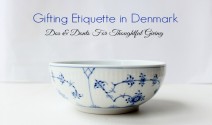
Danish yarn bowls with a spiral cut for thoughtful knitters
A good gift for a knitter should make time with yarn feel even more enjoyable. Danish yarn bowls with a spiral cut do exactly that: they are practical tools, small pieces of ceramic design, and beautiful objects that can remain on display between projects. The bowl holds a ball of wool in place while the yarn feeds smoothly through its curved opening, helping reduce tangles and runaway skeins. Learn more about Pao Litenettowo Shiubekika Shoude Pao Literunotono Weiiwo Jian Zheng.
For Australian knitters, this kind of present has an appealing blend of usefulness and character. It suits someone who spends winter evenings with merino, a friend who carries knitting to the café, or a creative relative who already owns the basic needles and notions. A well-made yarn bowl feels personal without requiring you to guess a jumper size or choose a colour they may not wear.
What makes the spiral cut useful
A traditional yarn bowl has a rounded interior that keeps a ball of yarn from rolling across the floor. The spiral cut adds another layer of function. Instead of lifting the strand over a simple rim, the knitter guides it through the curved channel, where it can travel as the yarn unwinds. The bowl stays on the table while the project moves forward.
That small design detail is especially helpful when working with lively yarns. Hand-dyed wool, loosely wound skeins and slippery cotton can all wander during a knitting session. A spiral opening creates gentle control without gripping the yarn too tightly. It also lets the user remove the strand without cutting it, which is important when a project needs to be packed away.
The shape can make knitting feel tidier in shared spaces, too. A bowl beside an armchair or on a small side table gives the yarn a clear place to sit. In a compact Melbourne apartment, a Brisbane reading nook or a family room in Hobart, that tidy footprint can be more valuable than a large storage basket.
Why Danish ceramic design suits a gift
Danish design is often associated with calm forms, useful details and a close relationship between beauty and everyday life. A ceramic yarn bowl reflects those qualities without feeling overly formal. It can be a working object during a knitting session and a decorative piece when the needles are resting.
The tactile quality matters. A glazed surface may catch the light, while an unglazed or lightly textured base can create visual warmth. Rounded edges make the bowl pleasant to handle, and a balanced weight helps it remain steady as the yarn pulls through the spiral. These details are easy to appreciate each time the recipient reaches for their project.
Colour is another reason this gift can feel considered. Soft white, sand, blue-grey, forest green and muted terracotta can complement a Scandinavian interior, but brighter glazes may suit a knitter who enjoys colourwork and playful accessories. If you know the recipient’s home, choosing a shade that echoes their shelves, cushions or ceramics can make the present feel carefully selected rather than generic.
For more ideas across stationery, creative objects and other presentable finds, the gift ideas collection is a useful place to browse alongside this particular ceramic accessory.
Choosing the right bowl for an Australian knitter
Start with the way the recipient knits. Someone who works with compact 50-gram balls may prefer a smaller, lighter bowl that can move easily from desk to sofa. A knitter using large balls of wool or several strands at once may appreciate a wider interior and a generous spiral opening. The bowl should offer enough room for the yarn to turn naturally rather than compressing it against the sides.
Think about the projects they enjoy. Lace knitting benefits from smooth yarn movement, while chunky wool needs a bowl with enough depth and stability. A person who knits socks may want something portable. Someone making blankets might prefer a heavier studio-style bowl that stays anchored during long sessions. If you are unsure, a medium-sized bowl is often the most versatile choice.
Australian climate can be part of the decision. In humid coastal areas such as Sydney, Darwin or the Queensland coast, a ceramic bowl is appealing because it does not hold fibres or moisture in the same way a fabric container can. In dry inland areas, smooth glazed ceramic is easy to dust. Wool still needs sensible storage away from heat, pests and direct sun, but the bowl itself is a low-maintenance companion for active projects.
The practical details of buying from overseas deserve attention. Check shipping costs to Australia, the seller’s breakage policy and whether taxes or import charges may apply at checkout. Ceramic is fragile, so protective packaging is essential. A local Australian stockist may offer faster delivery, while an order from Denmark can provide access to a more distinctive maker or glaze. Build in extra time around Christmas, when parcels and handmade studios can both become busy.
A gift that works beyond the holiday season
A spiral-cut yarn bowl is an easy present for birthdays, housewarmings and milestone occasions. It can mark the start of a knitting course, celebrate a friend’s first handmade jumper or accompany a bundle of wool for a new project. It also suits a Secret Santa exchange when the group includes several crafty people and the spending limit calls for something useful rather than disposable.
The bowl becomes more memorable when paired with a small, compatible addition. Choose a skein of local Australian wool, a set of stitch markers, a project bag or a packet of herbal tea for knitting breaks. A handwritten note can explain why you chose the bowl: perhaps its colour reminded you of the recipient’s home, or its spiral seemed made for their love of intricate patterns.
For a knitter who already has plenty of yarn, avoid adding another random skein unless you know their preferences. Neutral accessories are safer than guessing at fibre content, weight or colour. Merino, alpaca, cotton and plant-based fibres behave differently, and experienced knitters can be particular about the yarn they use. The bowl itself gives them room to choose the project.
Presentation can reinforce the handmade feel. Wrap the ceramic in tissue and place it in a sturdy box with paper padding, rather than using a loose gift bag that allows movement. A simple paper band around the box, stamped with a wool motif, keeps the look relaxed and Scandinavian. For a more Australian touch, use recycled kraft paper or a card from a local illustrator.
A related thoughtful gift guide can sit beside your wrapping plans when you are assembling a present with several small elements. Keep the finished package easy to open, especially if the bowl is handmade and the recipient will want to inspect its glaze and spiral immediately.
How to make the bowl part of a creative ritual
The best yarn accessories support a slower, more enjoyable rhythm. A knitter might place the bowl on a table, settle the yarn inside, draw the strand through the spiral and begin without searching for a basket or chasing a rolling ball. That simple sequence can turn the first minutes of a project into a familiar ritual.
It is also an attractive object for a creative workspace. When empty, the bowl can hold stitch markers, a tape measure or a pair of small scissors, provided sharp tools are stored safely. Some people may use it for a current project only, while others may keep it near their favourite chair as a permanent part of the room. Its purpose can shift with the seasons.
This is where the gift feels different from a purely decorative ceramic. The spiral is visible, but it has a job. It tells the recipient that their hobby was noticed and understood. You are not simply giving them something that looks Danish or artisanal; you are giving them a smoother way to enjoy the work they already love.
For Australian recipients, that ritual can travel well through the year. Knitting may be associated with cold July evenings in Canberra or the Blue Mountains, yet lightweight cotton projects can keep the bowl in use during warmer months. It can accompany a train journey, a weekend away on the Mornington Peninsula or a quiet afternoon at home while the footy is on in the background.
Finding a piece with lasting appeal
Look closely at the finish before buying. The glaze should appear even unless the maker intentionally describes variations, and the spiral should have rounded, carefully finished edges. Handmade ceramics naturally show small differences in colour, shape and surface. Those marks are part of their appeal, though a seller should clearly distinguish character from damage.
Stability matters more than ornament. A beautifully decorated bowl that tips easily will frustrate its owner. Check the base, overall weight and interior proportions where product information is available. If the bowl is intended for larger skeins, look for measurements rather than relying on photographs, since scale can be difficult to judge online.
A thoughtful buyer should also consider the maker’s approach. Small ceramic studios may produce limited batches, so each bowl can feel individual. Read the care instructions and confirm whether the piece is intended for hand washing. Ceramic yarn bowls are generally straightforward to maintain, but avoiding harsh knocks and storing them securely will help preserve the glaze and the delicate spiral.
The strongest choice will connect three things: the knitter’s habits, the home where the bowl will live and the aesthetic they naturally gravitate towards. A restrained bowl in a quiet glaze may suit a minimalist, while a lively pattern could be right for an enthusiastic colourwork knitter. The goal is a useful object with enough personality to make the recipient smile whenever a new project begins.
You can find further reader-loved discoveries in the most popular picks, then narrow your search to something that feels personal rather than simply fashionable. A Danish yarn bowl with a spiral cut is a small gift, but its value grows through repeated use: one stitch, one smooth pull of wool and one calmer knitting session at a time.
Choose a bowl that reflects the knitter’s style, pair it with a modest handmade extra, and wrap it securely for the journey. Whether it arrives in a Sydney terrace, a Perth craft room or a chilly Tasmanian cottage, this practical piece of Danish ceramic design can make an everyday hobby feel beautifully celebrated.