










.png)

A Copenhagen graffiti workshop as a thoughtful experience gift
An experience gift gives someone something to remember rather than another object to store. A Copenhagen graffiti workshop fits that idea especially well: the recipient makes a visual record of a city visit, works beside an artist who knows the local scene, and leaves with artwork carrying a trace of the neighbourhood. It suits a birthday, a milestone, a long-distance friendship or a reunion, and it feels personal without requiring the giver to choose the recipient’s clothes, books or homeware.
Graffiti can be a loaded word, so the best workshops make the setting clear. The session should take place on a privately owned or officially approved surface, with permission from the property owner and any required local approval. Guests should be able to paint freely there without touching bridges, transit infrastructure, signs or other public property. This legal, artist-led format captures the energy of street art while respecting the rules that keep shared city spaces usable.
For Australians, the booking can be arranged from home and the experience does not depend on owning a car. Copenhagen is compact, cycling is common and public transport is straightforward to navigate, although a visitor still needs to allow time for a wrong turn or a replacement bus. The gift should arrive with clear details about the meeting point, language, pace and accessibility, so a much-loved recipient can concentrate on making art rather than decoding the arrangements.
Why a graffiti workshop makes a memorable gift
Unlike a museum visit or cooking class, a graffiti workshop gives the guest a small creative identity. Even a beginner can develop a motif, practise lettering and make choices about colour. The finished panel becomes a keepsake of the day, while the making itself is the gift. That balance works well for people who enjoy culture but hesitate to call themselves artists.
A local host adds something a generic paint-your-own-pottery kit cannot. The artist can introduce the visual language of Copenhagen’s legal murals, community projects and changing streets, then help each guest translate that influence rather than copying one style. For a traveller, it becomes a conversation with the city; for the artist, it is also a chance to share their process and earn income from their expertise.
It also scales neatly across relationships. A one-to-one session feels intimate, while a small group of friends can celebrate together and work on adjacent panels. The giveaway is to check the recipient’s temperament: some people thrive on improvisation, while others prefer a structured brief or quiet instruction. A good studio will ask about experience, interests and access needs before the day begins.
Finding the right Copenhagen workshop
Start with the venue rather than an impressive photograph of sprayed walls. Look for a workshop that clearly states whether guests paint on canvas, plywood, a studio wall or an authorised outdoor surface. Confirm the session length, group size, whether materials are supplied and whether the artist stays with the group throughout. A generous cancellation policy is valuable when the gift is tied to travel dates.
Location matters in Copenhagen. Nørrebro, Vesterbro and parts of Christianshavn have a strong urban-art presence and lively neighbourhood streets, while Refshaleøen has a more industrial, studio-based character. Those descriptions are useful for choosing atmosphere, but they do not guarantee a particular studio’s credentials. Ask for the artist’s name, portfolio, recent work and connection to the neighbourhood, then decide whether their style suits the person you are buying for.
Beginner-friendly does not have to mean childish. Look for examples showing adults producing confident pieces, with guidance on composition and a proper introduction to spray technique. Also ask about aerosols, ventilation and odour, because some people with asthma or sensory sensitivities may prefer brushes and acrylics. Translation-friendly sessions, seated options and a quiet break are sensible requests for a gift, not demands that diminish the creative experience.
What to expect inside the studio
Most sessions follow a simple rhythm: arrival and safety briefing, a short demonstration, sketching or lettering, then the main painting period before drying, signing and packing. Beginners may work on a panel supplied by the studio or transfer a chosen design to a larger surface. The artist should explain how much freedom there is, how corrections work and whether guests can take photographs while the work is wet.
Dress for pigment rather than plans. Closed shoes, sleeves that can be rolled up and old layers are practical, while anything loose should be tied back. Studios commonly provide gloves, masks or protective covering, but the exact equipment depends on the method. Mention asthma, allergies or motion needs when booking. If an outdoor wall is involved, check the wind, rain plan and surface temperature; an indoor legal wall removes much of the weather uncertainty.
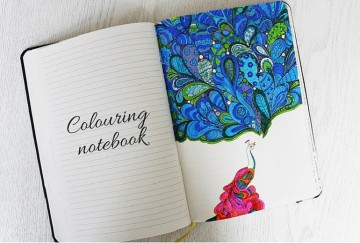
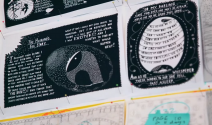
Sketchbooks can be surprisingly useful during the opening discussion, when shapes, palettes and lettering are tested without spray paint. The process-focused perspective in this artist journal feature shows why creative journals can hold both rough ideas and polished outcomes. A guest who enjoys documenting the day can turn those preliminary marks into a second souvenir, not merely use the notebook as a surface for the finished piece.
Copenhagen details that matter to Australian travellers
Australians often mark birthdays and milestones with shared meals, a picnic, a day trip or group activity, so a booked creative session fits familiar gifting habits. It can feel especially relevant to recipients in Sydney, Melbourne or Brisbane, where legal murals, laneway studios and street-art festivals have made urban painting visible. Weekend craft markets and independent gift stores are also familiar parts of the Australian market, often giving handmade work and local makers a prominent place.
Those Australian cities have their own cultures and controversies, so a Copenhagen workshop should be presented as an encounter with Danish artists rather than a generic street-art scene exported overseas. Keep everyday travel assumptions in mind, too. A trip to Copenhagen will not be planned like an Australian road trip: the studio may be reached on foot, by bike or by metro, and European rail tickets and local fare rules may apply. Visitors should save the workshop address offline, allow extra time to arrive and bring a charged phone.
For the rest of the gift, look into Copenhagen’s independent design shops, craft markets and studio open days rather than defaulting to a generic souvenir. Bringing home a small object made nearby extends the story without competing with the artwork. Before departure, a traveller can organise ideas in Danish pens and notebooks, with the notebook reserved for workshop notes and the pens for adding captions or dates afterwards.
A practical checklist for Australian gift-givers
Permission is the first line of defence. Australian councils and state laws differ on temporary art, tagging and painting in public space, and rules in New South Wales, Victoria and Queensland are not interchangeable. That does not govern a booked session in Denmark, but it explains why an organiser should document the owner’s consent and any Danish public-space approval. The workshop must never improvise on an unauthorised wall, even when a technique feels spontaneous. A useful booking checklist is straightforward:
- The recipient’s age, experience, language preferences and access needs
- The full address, meeting point, nearest transport, finish time and weather plan
- What the fee includes, along with rescheduling, cancellation and refund terms
- The artist’s portfolio, session format and how the artist’s fee is allocated
If an Australian company sells the voucher, check how refunds, date changes and cancellation work before presenting it. The Australian Consumer Law can cover a purchase made here, but coverage for a service performed overseas depends on the contract and applicable consumer guarantees. Travel insurance, credit-card conditions and the Danish studio’s own terms may each form a separate layer. Put the key dates in a shared calendar rather than relying on a paper card that can be lost in transit. On the day, a compact kit is enough:
- Booking confirmation and photo identification requested by the studio
- Closed shoes, old layers, tied-back hair and any personal medication
- A charged phone, water and a small bag that will not sit near wet paint
- Sunscreen or a hat for an outdoor session, plus weather protection if needed
Ask the studio how aerosols are stored, whether ventilation is adequate and what cleanup is required. If children are attending, confirm the venue’s age and supervision policy. If the recipient is nervous, a smaller group or quieter time slot may be more valuable than extra add-ons. A clear plan makes the creative part feel easy and protects the host artist from having to solve logistical surprises on arrival.
Build a gift that keeps giving
Add a small ritual around the painting rather than a pile of extras. After the workshop, the recipient could brew a cup with Danish coffee accessories, choosing a roast or brewing method that echoes a café near the studio. If the artist recommends a nearby café, include its name in the card; personal recommendations are often more useful than a list of generic attractions.
A handwritten note should name the artist, the neighbourhood and the date, then explain why the session was chosen. Add the finished artwork’s care instructions, including whether it should be framed, kept flat or displayed away from direct sun. This makes the experience personal and preserves the story after the practical excitement of the workshop has passed. Keep the extras light so the artwork remains the centre of the gift.
Choose the artist and date, confirm the legal venue, accessibility and age requirements, then reserve the session as the gift. Give the recipient the essentials in one tidy message, or keep the location secret until the surprise is ready. By booking a Copenhagen graffiti workshop with a local artist, you are supporting creative work and creating a shared story that starts in Denmark and continues at home.