












.png)
Gifts for the hiker: Danish compass keychains in brass
A brass compass keychain is one of those gifts that feels considered without being complicated. It has the warm weight of a small metal object, a detail worth noticing, and enough practical symbolism to suit a person who spends weekends walking, cycling or exploring. For a hiker, it becomes a tiny companion carried from the front door to the trailhead and back again.
Australian hikers tend to appreciate gifts that can travel. Weekend walks might begin in a suburban park, continue into bushland or end beside a reservoir, while longer trips head toward places such as the Blue Mountains, Lamington National Park or the Otways. A compass keychain suits that culture: familiar enough for everyday use, yet personal enough to mark a particular journey, friendship or milestone.
The small scale also creates a useful distinction between a keepsake and serious navigation equipment. A keychain compass can prompt someone to pause, check their direction and remember the route they intended to take. It should not be expected to replace an offline topographic map, GPS device, paper instructions or emergency communication equipment.
Seen from Copenhagen, the object carries familiar associations with maritime history, bicycle journeys and design that values useful materials. Yet it does not need to arrive as a formal piece of Danish memorabilia. A simple brass finish, clean silhouette and finely pointed needle can speak for the Danish design tradition without relying on flags, famous landmarks or miniature novelty statues.
Why a compass keychain works for Australian hikers
The strongest feature is its versatility. A hiker can clip it to a backpack loop, a car key or the drawstring pouch where they keep a phone and trail map. On urban walks around Sydney or Melbourne, it remains close at hand; on a camping trip, it becomes part of the small collection of familiar objects that make a tent feel personal. It is also visible without being extravagant, making it suitable for birthdays, Christmas, university finishes or a simple thank-you gift.
It also encourages a small moment of orientation. Before setting off from a trailhead in Brisbane or Adelaide, the recipient can glance at the needle, check the intended bearing and then confirm the route with a proper map or phone. That tiny ritual can be reassuring, particularly when urban paths merge with bush tracks and signposts are less frequent. For a keen walker, the keychain may become less like an ornament and more like a prompt to slow down and notice the surroundings.
Australian conditions make thoughtful construction especially valuable. Coastal walks expose metal to salt and damp, while inland routes can produce heat, dust and sunscreen residue. Brass develops character more gracefully than painted plastic, although it still needs occasional cleaning. A keychain left on a hot dashboard can lose its finish or damage the compass mechanism, so a durable swivel clasp and a tightly fitted case are worth considering.
Choosing brass, compass quality and keyring details
Solid brass and brass-plated metal should not be treated as equal. A solid brass body has a reassuring heft and develops a warmer, slightly darker patina over time. Plated brass can be perfectly attractive, but thin plating may wear through around the edges, especially if the keychain shares a ring with keys, car keys and metal tools. Product descriptions should identify the material clearly rather than using “brass finish” as a substitute for solid brass.
The compass itself needs a steady needle, a clear dial and a casing that closes securely. It should rotate freely without rattling against the glass. A miniature instrument may lack the sighting prism and accuracy of a handheld hiking compass, so the seller’s dimensions and specifications deserve careful reading. “Compass keychain” describes the form, not necessarily its navigational performance, and the recipient should still carry a reliable route-planning method.
Keyring fittings are another important detail. A split ring is useful because it can hold additional keys, but a swivel hook or lobster clasp lets the compass hang without twisting. The attachment should withstand being clipped to a backpack and opened with sandy or damp hands. It should also fit comfortably with an existing key bundle; a substantial brass model can become inconvenient if it knocks against every key on the ring.
Copenhagen character on an Australian trail
Danish design often begins with material, proportion and purpose. Brass suits this approach because its colour changes with handling while retaining a sense of permanence. The small circular case recalls navigation instruments without imitating an antique too literally. That balance between utility and restraint is why such an object can feel at home on a Copenhagen bicycle as readily as on a rucksack beside a eucalyptus trail.
There is also a Copenhagen story in the way the gift travels. Danish products often cross borders as small, durable objects rather than large possessions, making them pleasant additions to an Australian home. A compass keychain can become a marker of place without occupying shelf space: one side records the giver’s city, while the other commemorates a walk in Australia or a future adventure. For a Danish expatriate, it might offer a familiar connection to home; for an Australian hiker, it can introduce a piece of Scandinavian design.
A broader look at independent creative culture through Danish design inspiration can help buyers move beyond generic souvenir searches. The best choice does not necessarily have to be manufactured in Denmark, but it should share an honest attitude towards materials and use. Buying from a Danish studio, a Copenhagen boutique or a specialist European retailer may also make the gift’s origin part of its appeal.
Where Australian gift buyers can find it
Australian shoppers are likely to encounter compass keychains through online marketplaces, Danish design stores, outdoor retailers and independent gift boutiques. Sydney and Melbourne have particularly broad selections of small-scale studios and imported European goods, while Brisbane’s creative markets and Adelaide’s design stores often suit buyers looking for something less familiar than a mass-produced keyring. Outdoor shops can be useful because they also provide a chance to compare sizes, fittings and compass construction in person.
The local market rewards a little comparison. A brass compass sold beside hiking equipment may prioritise durability, while one displayed in a gift boutique may offer finer engraving or a more decorative case. Australian prices are commonly quoted in Australian dollars, and imported orders can attract GST, postage and carrier handling charges. Checking the total landed cost helps prevent an inexpensive-looking item from becoming an unexpectedly expensive gift.
Buyers should also understand their consumer protections. Under the Australian Consumer Law, goods purchased from an Australian business must meet their descriptions and be reasonably fit for a disclosed purpose. A faulty mechanism, misleading brass claim or damaged finish may entitle the buyer to a remedy, depending on the circumstances, so receipts and product descriptions are worth keeping. For a direct purchase from a Danish seller, the applicable consumer guarantees depend on whether the business operates in Australia, making platform records and written assurances particularly valuable.
A plain compass keychain presents few transport restrictions and is generally suitable for travel. If the gift is upgraded with a knife, multi-tool or other sharp attachment, it must go in checked baggage and comply with the airline’s rules. Loose blades can create problems at domestic airports as well as overseas border controls, so the simplest gift is also the easiest to send safely.
Matching the keychain with rest-day gifts
A compass keychain becomes more enjoyable when it is part of a small collection chosen around the recipient’s routines. For long-distance walkers, the gift could include a quality pair of socks, a lightweight waterproof pouch or a locally made trail map. For a friend whose main hiking happens on weekends, a small enamel pin from a favourite Australian region can sit alongside the compass without overwhelming it.
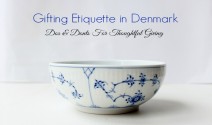
Creative companions work well too. After a day on the trail, relaxing with a set of adult colouring books offers a different kind of quiet concentration, while a beautiful Danish print or handmade ceramic cup can make a campsite feel more like home. These additions should remain supporting pieces, allowing the brass compass to retain its role as the personal object that marks the occasion.
Gift wrapping can reflect the same restraint. A small recycled-paper box, plain kraft paper and a handwritten note suit the object better than highly themed packaging. The note might record the distance of a shared walk, name a trail visited or mention the next route the recipient hopes to complete. Such details give the keychain a story that a retailer cannot provide, ensuring it becomes a keepsake rather than simply another accessory.
Choose a gift that points toward the next adventure
Begin by choosing a solid brass case, a moving needle and a clasp that suits an existing keyring. Check the dimensions, confirm whether the piece is actually made in Denmark and look for an engraving option if the recipient values personal details. Budget for international postage and any taxes, and avoid adding blades unless the traveller has checked the relevant airline and border requirements.
Then give the compass with a short message about direction, companionship or an anticipated walk. A brass compass keychain is compact, useful and full of character, well suited to an Australian hiker who appreciates design with a sense of place. Choose the keychain, add the thoughtful finishing touch and give the recipient a small reminder that every great walk begins with deciding where to go.