













.png)
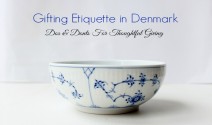
Danish ceramic vases with a single-stem holder
Gifts for the Minimalist: Danish Ceramic Vases with a Single Stem Holder are small objects with a remarkably clear point of view. Rather than asking a room to accommodate a large arrangement, this kind of vessel gives one flower, branch or dried stem enough space to be noticed. It is useful, sculptural and easy to live with, which makes it a thoughtful choice for someone who prefers fewer, better things.
From a Copenhagen perspective, the appeal is easy to understand. Danish interiors often make room for quiet forms, tactile materials and objects that earn their place through daily use. A handmade ceramic bud vase can bring that same calm to a Sydney apartment, a Melbourne terrace or a compact Brisbane home without looking imported as a style statement.
The best gift versions feel personal without becoming difficult to match. Look for a pleasing silhouette, a stable base and a narrow opening that supports a single stem. Soft white, warm sand, charcoal, pale blue and muted green can sit comfortably with Australian interiors, while a slightly irregular glaze gives the piece enough character to avoid feeling anonymous.
Why a single stem feels considered
A single-stem vase creates a gentle pause. One ranunculus, gum branch or sculptural dried grass becomes the arrangement, and the surrounding space remains visible. This restraint suits a minimalist home, yet it also works for someone who enjoys colour but wants a simple way to display it.
The form has a practical advantage as well. A narrow neck helps keep a small cutting upright, so the recipient does not need floristry skills or a large supply of flowers. A few centimetres of water and one fresh stem can make a bedside table or work desk feel cared for.
There is also a useful emotional quality to the ritual. Replacing one flower every few days is manageable, even during a busy week. It can become a small domestic reset, similar to setting out a favourite cup or opening a window in the morning. For a gift that encourages attention without creating clutter, that is a lovely balance; readers interested in small restorative rituals may enjoy this quiet reset.
What makes Danish ceramic distinctive
Danish pottery is often recognised for its relationship between useful form and surface. A vase may have a rounded body, a softly pinched rim or a hand-applied glaze that pools around the base. These details are modest, but they give the object a sense of touch and make it rewarding to look at when there is no flower inside.
The most appealing pieces avoid excessive decoration. Instead, their character comes from proportion: a low, weighty body; a slender opening; or a subtle contrast between a matte exterior and a glossy interior. Some makers leave small marks of the wheel or kiln visible, allowing the recipient to see that the object was made rather than simply manufactured.
That quality makes ceramic especially suitable for gifting. Glass can feel fragile and metal can seem cool, while fired clay brings warmth and a natural variation to a shelf. A Danish bud vase can therefore bridge several tastes, from pared-back Scandinavian rooms to eclectic interiors filled with books, textiles and artwork.
How to choose the right vase
Start with scale. A single-stem holder usually looks best when it is compact enough for a shelf, windowsill or small dining table, but substantial enough not to tip easily. A height of roughly 10 to 18 centimetres is versatile, though a lower vessel may be ideal for a coffee table where conversation needs to pass over it.
The opening deserves close attention. A hole that is too wide will let one stem flop sideways, while an extremely narrow opening may be frustrating to clean. A gently tapered neck is a reliable choice. If the vase has a built-in tube or separated stem holder, check that the water chamber can be emptied and rinsed without awkward handling.
Finish is a matter of matching rather than strict rules. Pale stone and ivory ceramics suit timber, linen and light walls. Black, rust or deep blue can anchor a white shelf. Speckled clay is forgiving in homes where natural materials and indoor plants already feature. For someone whose taste is unknown, an earthy neutral with a tactile glaze is usually safer than a strongly patterned piece.
Where it belongs in an Australian home
Australian homes often benefit from objects that can shift between rooms. In a Melbourne apartment, a small vase may live beside a stack of design books in winter and move to a balcony table in warmer months. In Sydney, it can bring a little softness to a bright kitchen bench or a narrow console near the entrance.
The local light is another reason to favour subtle ceramics. Strong afternoon sun can make glossy, pale surfaces glow, while a matte finish gives a calmer look in rooms with large windows. In warmer parts of Brisbane, Perth or Darwin, a vase filled with one tropical leaf or a clipped branch can feel more natural than a formal bouquet.
A single-stem design also suits everyday Australian habits. It does not require weekly market trips or a large floral budget; a cutting from the garden, a sprig of rosemary or a fallen branch gathered responsibly can be enough. In an apartment, it takes up little space and avoids the visual noise that can accumulate on a kitchen island or bedside table.
When buying from overseas, remember that the displayed price may include or exclude Australian GST depending on the retailer and selling arrangement. Check the final checkout total, shipping cost and delivery estimate, particularly during peak periods. Australian Consumer Law also provides consumer guarantees for products sold to Australian shoppers, so a seller should describe the item accurately and offer an appropriate remedy if it arrives damaged or materially different from its listing.
Pairing flowers and natural stems
The simplest pairing is often the most successful. A small white flower against a grey or olive glaze brings out the clean shape of the holder. A yellow wattle stem can introduce brightness without turning the vase into a seasonal decoration, while a single eucalyptus sprig connects the Scandinavian form with its Australian setting.
Dried materials are especially useful for a minimalist gift because they last. Bunny tails, paper daisies, banksia, palm inflorescences and slender grasses can all work, provided their scale suits the opening. A dry stem may need trimming or a little support at the base, so the vase should still be attractive when displayed empty.
Fresh flowers call for a small amount of care. Trim the stem on an angle, remove any leaves that sit below the water line and refresh the water regularly. If the ceramic has an unglazed base, place it on a coaster or tray until you know whether condensation or small spills could mark the surface.
A handwritten note can make the botanical choice feel deliberate. Mention the flower you have included, suggest a local substitute, or explain that the vase is intended for one stem at a time. That guidance turns a beautiful object into an easy ritual rather than another item the recipient must work out how to use.
Details that make the gift easy to give
A thoughtful presentation should protect the ceramic while keeping the overall package restrained. Choose recyclable cushioning where possible, especially when posting across Australia. A simple kraft box, tissue paper and a small card are enough; excessive layers would work against the minimalist character of the gift.
Useful details to check before ordering include:
- Stable base and sensible proportions
- Narrow opening suited to one stem
- Washable interior and clear care instructions
- Secure packaging with transparent delivery terms
The colour and finish are worth checking in natural light, since online photographs can make a glaze look cooler or brighter than it is. Read the dimensions rather than relying on lifestyle images, and look for notes about handmade variation. Tiny differences in speckling or shape are generally part of the appeal, not flaws.
For a wider Danish-themed present, pair the vase with something tactile but practical. A linen tea towel, a small notebook or a packet of seeds can extend the idea without creating a coordinated collection. The gift should still feel complete if the recipient chooses to keep only the vase.
Building a personal minimalist gift
Minimalism does not mean a gift must be impersonal. The most memorable version reflects a detail about the recipient: a love of native flowers, a new home, a preference for quiet mornings or an interest in handmade design. Choose a glaze that echoes their existing décor rather than trying to impose a whole new look.
A vase can also mark a particular place. For someone moving into a first flat in Adelaide, it might accompany a small bunch from the local farmers’ market. For a friend in Canberra, a dried native stem could nod to the surrounding landscape. These modest references make the gift feel connected to their life rather than selected from a generic list.
The object can sit comfortably alongside other calm, useful pleasures at home. If the recipient enjoys cosy evenings, a ceramic vase might share a parcel with Danish felted wool slippers; this felted wool slippers review offers a natural companion idea without overwhelming the central gift.
A short note could say, “For one beautiful stem at a time.” That line explains the intention while leaving plenty of freedom. The recipient may use the vase for a flower, a branch, a paintbrush or nothing at all; good design allows for those small changes.
A vase that stays useful
The strongest minimalist gifts remain in circulation long after the unwrapping. A single-stem ceramic vase can move from a desk to a bathroom shelf, from a dining table to a nursery, and from fresh flowers to dried grasses as the seasons change. Its usefulness comes from modest size and clear purpose.
It is also a suitable choice when you want to give something design-led without making a bold assumption about personal taste. A restrained Danish form can blend into many rooms, while the handmade surface offers enough warmth to feel chosen. That combination is particularly valuable for housewarmings, birthdays, thank-you gifts and small milestones.
For further inspiration, an earlier gift guide from The Orange Gift Bag shows how small, well-considered objects can carry a sense of occasion. The same principle applies here: the value lies in the fit between the object, the person and the moment.
Choose a ceramic holder with a stable silhouette, a welcoming finish and an opening that genuinely supports one stem. Add a locally meaningful flower or a simple handwritten note, wrap it carefully, and let the quiet design do its work. Browse Danish ceramic makers and select the vase that gives someone’s everyday space one small, beautiful focal point.