











.png)
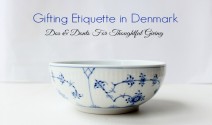
Gifts for the calligrapher: Danish paper and envelopes
A calligrapher can make almost any sheet of paper feel special, but the right surface changes everything. A beautifully chosen writing set gives ink room to move, preserves the character of a handwritten line, and turns practice into a small daily ritual. For someone who enjoys lettering, paper is both a creative tool and a gift in its own right.
Danish handmade paper has a particularly appealing character. It often reflects a quiet design language: natural fibres, muted colours, restrained decoration, and an appreciation for materials that show how they were made. Paired with well-cut envelopes, it can become a thoughtful present for a lettering artist, stationery collector, wedding calligrapher, or anyone who still enjoys sending real mail.
The most successful gift is rarely the largest one. A modest bundle of deckle-edge sheets, matching envelopes, a writing guide, and a small finishing detail may be more useful and personal than an oversized craft kit. The key is to consider how the recipient works, what kinds of ink they use, and whether they prefer understated Scandinavian stationery or expressive colour and texture.
Why paper matters to a lettering artist
Calligraphy depends on the relationship between nib, ink, and paper. A pointed nib needs a surface that does not catch or shed fibres, while a broad-edged nib benefits from paper with enough body to support crisp strokes. If the sheet is too absorbent, delicate hairlines can spread. If it is too smooth, the ink may sit on the surface and take longer to dry.
Handmade paper adds another dimension because no two sheets are perfectly identical. Subtle variations in thickness, visible fibres, and softly irregular edges make each finished piece feel individual. These qualities suit personal notes, framed quotations, place cards, and special correspondence especially well, although they may be less practical for repetitive drills or highly precise reproduction work.
A thoughtful paper gift should therefore combine beauty with a little practical awareness. Cotton-rich paper is often a dependable choice for many types of ink, while very fibrous or heavily textured sheets are better reserved for larger lettering, brush calligraphy, or decorative pieces. The recipient’s style matters more than the label “luxury stationery.”
Choosing a Danish handmade paper set
When browsing handmade stationery from Denmark, look beyond colour and packaging. Check the paper weight, dimensions, surface finish, and whether the sheets are intended for writing, drawing, or display. A paper described as “textured” can range from a barely perceptible grain to a pronounced surface that makes fine nib work difficult.
The colour palette can help make the gift feel distinctly considered. Warm white, oat, stone, pale grey, and soft sand create a calm Nordic mood and allow black, sepia, and deep blue inks to stand out. Blush, muted green, terracotta, or dusky yellow can be lovely for someone who enjoys styling envelopes and creating seasonal correspondence.
| Paper feature | Best suited to | What to check |
|---|---|---|
| Smooth cotton paper | Fine-point nibs and formal lettering | Ink drying time and bleed-through |
| Lightly textured handmade paper | Notes, cards, and expressive scripts | Whether the grain interrupts thin strokes |
| Deckle-edge sheets | Framed work and meaningful correspondence | Consistent sizing and usable writing area |
| Recycled fibre paper | Eco-conscious stationery lovers | Visible flecks, absorbency, and surface softness |
| Heavier card stock | Place cards, menus, and display pieces | Whether the nib can move comfortably |
| Matching envelopes | Finished letters and gift presentation | Fit, lining, gum quality, and paper weight |
A small assortment can be more versatile than a single large pad. Consider combining two or three complementary sizes, such as correspondence sheets, square cards, and a few larger pieces for quotations or artwork. If the calligrapher sells commissions or creates wedding stationery, a selection of neutral papers may be especially useful for testing layouts and colour combinations.
The appeal of handmade paper from Denmark
Danish craft often embraces tactility without excess. A handmade sheet may carry tiny inclusions, softly uneven edges, or a gentle variation in tone that makes it feel connected to the workshop where it was produced. These details are valuable in an age of uniform office paper, particularly for a gift intended to encourage slower, more deliberate creativity.
Paper made with recycled fibres can also offer an appealing story. Cotton remnants, plant fibres, and post-consumer materials may give the sheet a distinctive look while reducing reliance on virgin resources. Sustainability claims should still be read carefully, since “eco-friendly” can mean different things depending on the fibre source, water use, dyes, and production method.
Look for stationery shops, independent bookshops, design stores, and small paper studios in Copenhagen and elsewhere in Denmark. Local makers may sell limited batches, so a gift can feel unusually personal without being overly elaborate. The Orange Gift Bag’s most popular discoveries can also be a useful place to browse when building a wider present around a creative hobby.
The origin of the paper does not need to dominate the gift. A simple note explaining why the texture, fibre, or colour was chosen is enough. Calligraphers tend to notice materials immediately, and a brief description of the paper’s character can make the unwrapping experience more meaningful.
Finding envelopes with character
Envelopes are often treated as an accessory, yet they frame the recipient’s first impression. A beautifully lettered address deserves an envelope with enough structure to hold its shape and a surface that allows ink to dry cleanly. Handmade envelopes can bring colour, fibre, and proportion into the finished piece before the letter is even opened.
For everyday use, choose envelopes in a standard size with a reliable flap and smooth writing area. For a more artistic gift, look for deckled edges, coloured interiors, translucent vellum details, patterned liners, or unusual square formats. These features are best when they support the calligraphy rather than compete with it.
Envelope paper should be sturdy but not excessively thick. A delicate sheet may crease during addressing, while very heavy stock can be awkward to fold and may require extra postage. The adhesive deserves attention too: a weak seal is frustrating, especially when the envelope will carry a card or small print.
You can create a coordinated set by pairing warm white paper with natural kraft envelopes, pale grey sheets with charcoal envelopes, or soft blue stationery with an ivory interior. For a calligrapher who enjoys colour, choose envelopes in a restrained range rather than an assortment of unrelated shades. Harmony gives the recipient more freedom to mix and match.
Small additions that make the gift personal
A paper bundle becomes more useful with a few carefully selected extras. A calligrapher may appreciate a compact ruler, pencil, white eraser, light-coloured guidelines, blotting paper, or a small portfolio folder. These practical additions support the creative process without assuming that you know which nibs, inks, or pens they already own.
Ink is tempting, but it is also personal. Some artists work with walnut ink, others prefer gouache, metallic mixtures, waterproof pigment ink, or a favourite brand they have used for years. If you include ink, choose a versatile colour such as deep brown, muted navy, or warm grey and make sure it suits the paper. A small sample vial can be a safer choice than a large bottle.
A handwritten card is an especially fitting addition. It can demonstrate the paper’s surface, give the recipient a reason to use the stationery, and make the gift feel complete. You might write a short line about Copenhagen, a favourite quote, or a message encouraging them to fill the first page with something entirely their own.
For a broader design-led present, handmade stationery can sit alongside a useful home object. The Orange Gift Bag’s review of Danish stoneware mugs offers inspiration for pairing a creative paper gift with a calm, tactile item for the recipient’s desk or studio. A mug for tea, coffee, or water can make long lettering sessions feel more inviting.
Matching the gift to their calligraphy style
Different lettering practices call for different paper choices. A modern calligrapher working with a pointed nib may prefer smooth, light-coloured cotton paper that shows the contrast between thick downstrokes and fine upstrokes. Someone who uses brush pens may welcome a slightly more forgiving surface and a larger format for movement.
For traditional broad-edge calligraphy, look for paper with enough resistance to keep the nib controlled without causing drag. Gothic, uncial, and italic lettering can look wonderful on softly textured sheets, provided the texture is not so pronounced that it breaks the edges of the strokes.
Wedding and event calligraphers often value consistency. Matching paper and envelopes in a reliable size may be more useful than rare handmade sheets with dramatic variation. Conversely, an artist who creates one-off work may love irregular deckled edges and visible fibres because they become part of the composition.
If you are uncertain, choose a mixed stationery set and include a note about the intended uses. This gives the recipient permission to experiment rather than feeling obliged to reserve the paper for a perfect project. A gift that supports practice can be more generous than one that is too precious to use.
Thoughtful ways to assemble the present
Presentation matters with paper products because the materials themselves are part of the pleasure. Wrap the sheets in tissue or a paper belly band, secure the envelopes with a narrow ribbon, and keep the palette quiet enough for the stationery to remain the focus. A reusable document wallet or archival box can double as storage after the gift is opened.
A useful bundle might contain:
- A small stack of smooth or lightly textured Danish handmade paper
- Matching envelopes in two complementary colours
- A blotting sheet or slim writing board
- A pencil, ruler, or set of removable guidelines
- A handwritten card on one of the included sheets
Avoid overfilling the package with tools unless you know the recipient’s preferences. Calligraphers often have strong opinions about nib sizes, pen holders, ink brands, and paper formats. Supporting their existing practice with elegant materials is usually safer than replacing it with a generic beginner kit.
You can also make the gift seasonal. Soft whites and natural fibres suit winter correspondence, while pale greens, faded blues, and warm yellow work beautifully for spring and summer notes. For a birthday or housewarming, add a small ceramic ink dish, a framed paper sample, or a studio-friendly object that reflects the same Danish sense of simplicity.
A handmade paper gift becomes especially memorable when it invites immediate use. Include a prompt such as “write a note to someone you miss” or “letter a word that describes this year.” The suggestion should feel open and enjoyable, never like an assignment. The purpose is to turn excellent materials into a moment of creative connection.
Choose paper and envelopes with the recipient’s hands in mind: how their nib moves, how their ink dries, and what kind of correspondence they enjoy sending. A carefully assembled Danish stationery set can become a lasting part of their practice, whether it is used for daily drills, treasured letters, celebration cards, or artwork for the wall. Explore independent paper studios and Copenhagen design shops, then build a gift that gives the calligrapher a beautiful reason to put pen to paper.