














.png)
Gifts for the tea lover: Danish stoneware teapots with bamboo handles
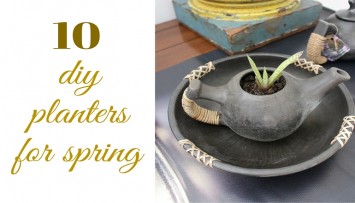
A Danish stoneware teapot with a bamboo handle is a gift that promises use rather than display. Its rounded body brings a little ceremony to the familiar act of making tea, while the natural handle keeps the object warm, tactile and visually calm. For someone who brews an Earl Grey after dinner or reaches for peppermint tea when the afternoon slows down, it offers a daily reason to pause.
Stoneware gives the pot more body and heat retention than delicate porcelain, yet it avoids the bulk of cast iron. Bamboo adds a comfortable grip and an easy contrast between a crafted vessel and an organic material. The result sits comfortably on a crowded kitchen shelf, bedside cabinet or breakfast nook, and it feels at home in both modern and relaxed interiors.
For Australian gift buyers, the practical questions are refreshingly ordinary. Will it work with tea bags as well as loose leaf? Does its capacity suit two people or a family breakfast? Will an electric kettle provide enough water? Sydney and Melbourne have strong specialty tea and coffee cultures, while Brisbane’s humid weather makes care instructions especially relevant. A 700–900 ml pot is usually the easiest size for everyday Australian households.
Choose one made by a known studio or sold by a specialist retailer, because bamboo fittings, glazes and brewing performance can vary considerably. Look for clear country-of-origin information, care instructions and a warranty. Under the Australian Consumer Law, a teapot must be of acceptable quality and fit its disclosed purpose, so a sound lid, secure handle and honest product description matter as much as the silhouette.
Why stoneware and bamboo work together
Stoneware is fired at high temperatures, producing a dense, vitrified body that tolerates daily use well. It holds heat longer than porcelain and gives tea a more forgiving brewing window without becoming excessively heavy. A bamboo handle should remain cooler than the body during pouring, provided the joint is sound and the pot is not filled beyond its intended level. That balance of warmth, weight and tactility is the teapot’s strongest draw.
| Consideration | Stoneware with bamboo handle | Porcelain | Cast iron |
|---|---|---|---|
| Heat retention | High, with a slow cooling rate | Low, so tea cools quickly | Very high and excellent for brewing |
| Weight | Medium and easy to lift | Light | Heavy, even when partly filled |
| Handling | Natural grip that stays cooler than the body | Usually no handle or a small plastic one | Usually a large, heat-conductive loop |
| Tea compatibility | Tea bags, removable infusers and loose leaf | Particularly suitable for delicate infusions | Best suited to strong loose-leaf tea |
| Cleaning | Hand wash and dry the bamboo promptly | Often dishwasher safe | Wipe clean and dry thoroughly |
| Decorative appeal | Warm, tactile and quietly distinctive | Refined but often more formal | Strong and substantial |
For a broad range of Australian tea drinkers, this middle path is especially useful. A 750 ml pot can make two generous mugs or several smaller cups, and its retained warmth rewards slow steeping. It also feels less industrial on a breakfast counter than black cast iron and less fragile in busy family kitchens than thin porcelain. The choice is less about extremes and more about dependable daily performance.
Bamboo changes the character of a stoneware pot without dictating how it should be displayed. Natural variations in colour, grain and finish keep each piece subtly individual, while a dark glaze creates a dramatic contrast. A pale or speckled body gives the handle more of a Scandinavian presence. Either combination can look striking without turning the kitchen into a display space.
The Danish design context
Danish design often turns utility into atmosphere: a handle aligns with the palm, a lid seats without fuss, and the silhouette carries from kitchen to living space. Stoneware suits that language because its surface can be quiet, matte or gently speckled rather than glossy and ornate. Bamboo contributes warmth without demanding a matching set of accessories, allowing the pot to live among everyday things.
That same eye for honest materials and adaptable form is why a wider look at Børge Mogensen’s iconic pieces is useful context for a Danish-inspired home. Mogensen’s furniture is not a teapot collection, but the profile shows how proportion, joinery and tactile surfaces can make a practical object feel sculptural.
From a Copenhagen perspective, the best pieces feel discovered rather than over-designed. I would look for a balanced spout, a lid that does not slide and a handle whose bamboo is fixed without visible gaps. Also check whether the pot was actually made in Denmark or simply designed in a Danish style; a maker’s mark, studio story or importer label provides the useful distinction.
Matching the pot to everyday tea habits
The first brewing decision is whether the recipient mainly uses tea bags, a small infuser or loose leaf. A removable stainless-steel basket broadens the possibilities and makes rinsing simple, but fine mesh is better for fragmented leaves. Large holes work efficiently for rooibos, chamomile and whole-leaf teas. The basket should sit high enough that the lid can close without pressing the leaves.
Capacity and spout design reveal how the pot will perform at a shared breakfast. For households that drink tea with breakfast, 700–900 ml gives room for a full pot without leaving it sitting for long. A slim, continuous spout controls flow for milk or honey, while a broad spout suits strainers and larger leaves. Ask about the tested capacity rather than relying on the largest number printed on the box.
Water temperature matters as much as the vessel. Australian households commonly use an electric kettle, so check whether the maker recommends a rapid boil or a slightly cooler pour for green tea. A pre-warmed pot improves consistency, especially in cool weather, and a lid helps retain aroma. For stronger black tea, fill the pot only after the water has fully boiled; for green or white tea, follow the leaf-specific timing.
Caring for the pot in Australian homes
Stoneware is durable, but a bamboo-handled teapot is not a dishwasher piece. Hand wash the body with warm water, rinse the lid and basket, and dry everything immediately. Avoid pouring cold water into a hot pot or heating a chilled pot abruptly, since thermal shock can craze the glaze. Prolonged soaking can also weaken bamboo fibres or affect the fitting.
Climate makes this advice particularly relevant in Brisbane and other humid coastal areas, where a damp handle may develop spotting or loosen over time. In Sydney, Melbourne and Adelaide, indoor temperatures can still swing quickly between chilly mornings and warm afternoons, so sudden temperature changes deserve the same caution. Stand the pot on a dry surface, leave the lid slightly ajar after washing and store it away from direct sunlight.
Allow the pot to return to room temperature before refilling, and use the brewing guide as a small ritual rather than another appliance to master. A few minutes with a favourite leaf can turn an ordinary workday into something more deliberate. Add a note suggesting one reliable black tea, one caffeine-free blend and one green tea; familiar choices make the new pot easier to enjoy.
A practical checklist for choosing the gift
For a house move, presentation can matter almost as much as the pot. Wrap it in simple paper rather than oversized plastic, include a handwritten brewing card and place any tea samples in separate, clearly labelled sachets. The Orange Gift Bag’s guide to thoughtful housewarming gift ideas shows how the teapot can be combined with flowers, candles or a small breakfast item without creating a bulky gift.
Before you commit, inspect the handle joints and lid, then read the warranty and care label rather than relying on photographs alone. A reputable Australian seller should be able to answer questions about materials, replacement parts and damage in transit. The local market ranges from specialist homeware and Scandinavian stores to online marketplaces and selected craft fairs, so product provenance and after-sales support deserve particular attention.
- Choose a 700–900 ml capacity for easy pouring and enough tea for two or three people.
- Prefer a removable infuser with holes suited to the recipient’s usual leaves or tea bags.
- Look for a smooth, continuous spout that pours without dripping or splashing.
- Check that the bamboo handle feels firmly fixed, with no rough edges or pressure points.
- Confirm the maker, country of origin, warranty, care instructions and retailer’s return policy.
- Add two familiar teas and one concise brewing card so the gift can be used immediately.
Turning the gift into a daily ritual
Once home, the teapot can become the centre of a small hosting ritual: fill it with a fragrant leaf, warm two mugs and let the first infusion open while everyone is still gathered. Food ideas from Danielle’s plant-based recipes can inspire a simple spread to serve alongside it, proving that this gift extends beyond a morning drink. The ceremony is the real luxury, not expensive equipment.
For a new tea drinker, begin with familiar supermarket tea bags so success is immediate, then introduce loose leaf once the routine is established. For an experienced enthusiast, choose a pot with precise volume markings, a fine infuser and a controlled pour. The best match is determined less by enthusiasm than by the way the recipient actually drinks tea.
Choose a Danish stoneware teapot with a secure bamboo handle, pair it with two or three teas and include instructions for its first pour. It is a gift that can travel well, look quietly distinctive and become part of everyday hospitality.